Bookmark and Share
Showing posts with label HbA1c. Show all posts

Saturday, May 14, 2011

Type 2 Diabetics Experience Hyperglycemia Throughout The Day?

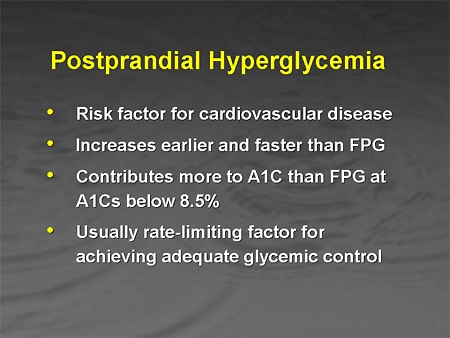
POSTPRANDIAL (after meals) hyperglycemia is one of the earliest abnormalities of glucose homeostasis associated with type 2 diabetes and is markedly exaggerated in diabetic patients with fasting hyperglycemia. And research conducted with human patients, mice, and pancreas beta cell cultures all point to a single threshold at which elevated blood sugars cause permanent damage to your body: 140 mg/dl (7.8 mmol/l) after meals.

Better control of postprandial blood glucose levels contributes more to improvement in HbA1c levels than fasting glycemic control. And since HbA1c is the gold standard for determining glycemic control among people with both type 1 and type 2 diabetes, all diabetics struggle to control the blood sugar round-the-clock.

However, a new research study from The Netherlands suggests that diabetics face a Sisyphean task ‒ postprandial hyperglycemia is highly prevalent throughout the day in type 2 diabetes patients, including even those patients with HbA1c well below 7.0%.

Although postprandial hyperglycemia is recognized as an important target in type 2 diabetes treatment, information on the prevalence of postprandial hyperglycemia throughout the day is limited. The researchers therefore assessed the prevalence of hyperglycemia throughout the day in type 2 diabetes patients and healthy controls under standardized dietary, but otherwise free-living conditions.

The researchers recruited 60 male type 2 diabetes patients (HbA1c 7.5 ± 0.1%) and 24 age- and BMI-matched normal glucose tolerant controls to participate in a comparative study of daily glycemic control. During a 3-day experimental period, blood glucose concentrations throughout the day were assessed by continuous glucose monitoring (CGM).

The researchers discovered that type 2 diabetes patients experienced hyperglycemia (glucose concentrations > 180 mg/dl [10 mmol/l]) 38 ± 4% of the day. Even diabetes patients with an HbA1c level below 7.0% (53 mmol/mol) experienced hyperglycemia for as much as 24 ± 5% throughout the day. Hyperglycemia was negligible in the control group (3 ± 1%).

After evaluating the data, the researchers concluded that hyperglycemia is highly prevalent throughout the day in type 2 diabetes patients, including even those patients with HbA1c well below 7.0%. More importantly, “standard medical care with prescription of oral blood glucose lowering medication does not provide ample protection against postprandial hyperglycemia,” the authors wrote.

The aim of every diabetic is to keep postprandial blood sugar levels in line with the recommendations of the American Association of Clinical Endocrinologists, an organization of specialists who treat diabetes, that blood sugar should not be allowed to rise above 140 mg/dl two hours after a meal. The International Diabetes Federation (IDF) has also adopted the 140 mg/dl post-meal blood sugar target.

Since, as Dutch study shows, a majority of patients with diabetes fail to achieve their glycemic goals, it means elevated postprandial glucose (PPG) concentrations contribute to suboptimal glycemic control.

What is the contribution of PPG to the long-term complications of diabetes? Many studies have demonstrated a positive association between diabetic complications and hyperglycemia. “Complications" is a euphemism for some very ugly outcomes that include blindness, amputation, kidney failure and death. Considering the interrelationships among glycemic measures, this is not surprising.

A team of Italian researchers led by A Gastardelli started examining beta cell response to glucose in people with normal blood sugars discovered that a small amount of beta cell dysfunction began to be detectable in people whose blood sugar rose only slightly over 100 mg/dl on a 2-hour glucose tolerance test. The beta cells are the cells in the pancreas that produce the insulin your body uses to control your blood sugar.

Analyzing their data further, they found that with every small increase in the 2-hour glucose tolerance test result, there was a corresponding increase in how much beta cell failure was detectable. The higher a person's blood sugar rose within "normal" range, the more beta cells were failing.

In another study, University of Utah neurologists found that patients who were not known to be diabetic, but who registered 140/mg or higher on the 2-hour sample taken during a glucose tolerance test were much more likely to have a diabetic form of neuropathy than those who had lower blood sugars. Even more telling, the researchers found that the length of time a patient had experienced this nerve pain correlated with how high their blood sugar had risen over 140 mg/dl on the 2-hour glucose tolerance test reading.

It is important to note that this study also showed that only the glucose tolerance test results corresponded to the incidence of neuropathy in these patients, not their fasting blood sugar levels or their results on the HbA1c test. This is significant because most American doctors do not offer their patients glucose tolerance tests, only the fasting glucose and HbA1c tests that fail to diagnose these obviously damaging post-meal blood sugars.

Given facts such as these, what does a diabetic do? Jenny Ruhlsuggests that if your blood sugar has been very high for a while, you can bring down the levels by proceeding in stages, setting your blood sugar targets progressively lower, a step at a time. But don't stay at higher than normal levels for any longer than is absolutely necessary. Once your body does adapt, you will probably feel much better and much more energetic than before.

Ruhl recommends patience while your body becomes accustomed to new, healthy, blood sugar levels, cautioning not to respond to feeling as if you were having a hypo by eating carbs to push up your blood sugar as long as your blood sugar tests at 80 mg/dl (4.4 mmol/l) or above. Give your body a chance to adapt and eventually you will feel completely normal when you have a normal blood sugar and may feel surprisingly toxic when your blood sugar reaches the dangerously high levels that you used to feel normal at, she says.

The 140 mg/dl (7.8 mmol/L) blood sugar target is a good start, but many of us find we feel better and get even more normal health if we shoot for truly normal blood sugars and keep our blood sugar under 120 mg/dl (6.7 mmol/L) at all times. If you can do it, go for it. Now that we know that heart attack risk rises significantly at HbA1c in the mid 5% range, getting to true normal is that much more important, Ruhl concludes.

Wednesday, May 11, 2011

Looking Beyond HbA1c: Research To Find New Diabetes Biomarkers Gains Traction

The discovery of several new biomarkers in the blood may further our understanding of exactly who’s at risk for diabetes
BETA cells within the pancreas produce and release insulin. Loss of the function of these cells compromises the body’s ability to control blood sugar and underlies the development of diabetes. So, one of the next frontiers of diabetes therapeutics is to change the progression rate of beta cell failure.

Recognizing this as a research priority, the Foundation of the National Institutes of Health (FNIH) Biomarkers Consortium announced Tuesday the launch of a multi-year clinical study to improve tools for measuring the function of insulin-producing beta cells in people with type 2 diabetes mellitus. Researchers hope the initiative will lead to improved techniques for tracking progression of the disease and pave the way for more effective treatments.

The project ‒ “Diabetes Drug Development: Identification and Validation of Markers that Predict Long-Term Beta Cell Function and Mass” ‒ is being managed by the Metabolic Disorders Steering Committee (MDSC) of the FNIH Biomarkers Consortium.

It is a three-year, $5.1 million clinical study to standardize tests for measuring beta cell function in the clinical setting that aims to improve methods for the early prediction of the long-term response to an intervention and for identification of patients at risk for rapid beta cell function deterioration, thereby enabling future clinical studies that examine diabetes progression.

A biomarker is a biochemical feature or facet that can be used to measure the progress of disease or the effects of treatment. So the validation of biomarkers to measure the progression of diabetes will greatly facilitate the development of better medicines to treat and potentially prevent this disease and its often disabling complications.

Experts believe biomarkers will become one of the major driving forces of pharmaceutical research and drug development in the coming years.

Currently, diabetes researchers are working without the benefit of agreed-upon standards for gauging beta cell function and this initiative will give researchers practical tools that can be used to measure beta cell function over time and stimulate research to maintain and improve that function.

The project was developed through a rigorous consensus-building process by a team of experts from across the entire scientific community. The pharmaceutical industry, academic, and government representatives contributed their clinical trials expertise and scientific support to the design and execution of the studies.

Utilizing a collaborative approach, the FNIH Biomarkers Consortium has brought together diabetes experts from the National Institutes of Health (NIH), Food and Drug Administration (FDA), leading academic institutions, the pharmaceutical industry, and non-profit sector to develop the project.

Biomarkers play an integral part in conducting clinical trials and treating patients. In most instances, they help medical practitioners, researchers, and regulatory officials make well-informed, scientifically sound decisions.

However, in clinical studies, there is often uncertainty in how much weight to place on biomarker results versus clinical outcomes. This uncertainty emanates from opposing goals of the drug approval process. On one hand, the process must ensure that all therapeutics tested are safe and that the benefits outweigh the risks. On the other hand, the process should allow therapies to be accessible to patients as quickly as reasonably possible.

Judicious use of biomarkers in the drug development process can bring these goals into alignment. More efficient discovery and use of biomarkers in the development of anti-diabetes drugs will depend on advancing current understanding of the pathogenesis of diabetes and especially its macrovascular (pertaining to the larger blood vessels) complications.

The idea of using biomarkers to predict diabetes is not entirely new. Glycated hemoglobin (HbA1C) values are now routinely being monitored to screen for at-risk patients. A study published in PLoS One last year shows that several new biomarkers in the blood may further our understanding of exactly who’s at risk for diabetes, and increase our knowledge of the etiology of the disease.

Veikko Salomaa and colleagues from the Department of Chronic Disease Prevention at the National Institute for Health and Welfare in Helsinki, Finland, tested nearly 13,000 people and found almost 600 cases of diabetes during routine follow-up exams.

According to the study, low levels of adiponectin, and high levels of apoB, C-reactive protein (CRP), and insulin, increase the chance that a woman will develop diabetes. When these factors were measured, proper diabetes prediction increased by 14% compared to when doctors only use classic risk factors, such as BMI and blood glucose levels, to predict disease.

The biomarkers that best predicted diabetes in men were low adiponectin, and high levels of CRP, interleukin-1 receptor antagonist (IL-1RA), and ferritin. Accounting for these biomarkers led to a 25% increase in correct diabetes detection in the cohort. Adiponectin is a hormone found in the body that modulates a number of metabolic processes, including glucose regulation and fatty acid catabolism.

The use of adiponectin, a hormone derived from fat cells, which is abundant in plasma and easy to measure through commercially available kits, was also confirmed as a robust biomarker predictive of glycemic efficacy in Type 2 diabetes and healthy subjects, after treatment with peroxisome proliferator-activated receptor-agonists (PPAR), but not after treatment with non-PPAR drugs such as metformin by the first project to be completed by the Biomarkers Consortium.

The project conducted a statistical analysis of pooled and blinded pre-existing data from Phase II clinical trials contributed by four pharmaceutical companies and analyzed under the direction of a diverse team of scientists from industry, the National Institutes of Health (NIH), U.S. Food & Drug Administration (FDA), and academic research institutions.

Source: FNIH Biomarker Consortium

Sunday, May 8, 2011

“Normal” Blood Sugar Levels May Still Mean You Have Prediabetes

FPG between 91 and 99 mg/dl is a strong independent predictor of type 2 diabetes, claims new study
Type 2 diabetes is a lifestyle disease in which the body no longer responds appropriately to the hormone insulin, which helps ferry sugar from the blood into our cells after a meal. When fasting blood sugar levels reach 126 mg/dl or more, doctors will diagnose diabetes.
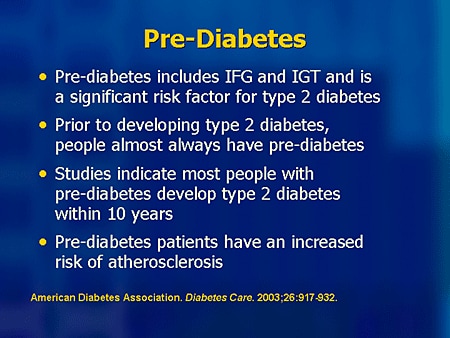
Prediabetes means that your blood sugar level is higher than normal, but it's not yet increased enough to be classified as type 2 diabetes. Still, without intervention, prediabetes is likely to become type 2 diabetes in 10 years or less. (Scroll to end for Prediabetes FAQs)

Traditionally, blood sugar levels below 100 mg/dl have been considered “safe”, whereas levels between 100 and 126 signal a “higher risk” of diabetes (prediabetes). But according to the new study by Dr. Paolo Brambilla and colleagues at the University Milano Bicocca in Italy, the currently accepted "normal" blood sugar range might be too wide.

“FPG (Fasting Plasma Glucose) between 91 and 99 mg/dl is a strong independent predictor of type 2 diabetes and should be used to identify people to be further investigated and aided with preventive measures,” the researchers say. The conclusion significantly expands the "prediabetes" label.

To back their claim, the researchers report that in the course of their study they discovered people at the high end of what's considered the "normal" blood sugar range are twice as likely to get the disease as are those in the low end. The findings are in line with an earlier study from Oregon, and the Italian researchers say they can help identify the people who need extra medical attention.

The researchers looked at data for nearly 14,000 men and women who'd had blood drawn several times at their clinic. The patients were between 40 and 69 years old and all of them had normal blood sugar levels at first. Over the next seven to eight years, on average, about two percent of the women and nearly three percent of the men developed diabetes.

Less than one percent of those who started out with fasting blood sugar levels between 51 and 82 mg/dl wound up with the disease, while more than three percent did so if they had values between 91 and 99. After controlling for other factors that might influence the likelihood of getting diabetes, that corresponded to a two-fold difference in risk of developing the disease.

Research has shown that if you have prediabetes, the long-term damage of diabetes — especially to your heart and circulatory system — may already be starting. If your blood sugar tests over 100 mg/dl fasting more than once, your fasting blood sugar is likely to go over the 125 mg/dl level used to diagnose full diabetes within 3 years.

More importantly, if your blood sugar is at 100 mg/dl fasting, it is very likely that your post-meal blood sugar is heading towards the diabetic range, which is over 200 mg/dl which is why your fasting blood sugar is deteriorating. High post-meal blood sugars kill beta cells. If you can bring down those post-meal highs, you may be able to prevent the beta cell death that is destroying your fasting control!

While opinion is divided on the question whether doctors should treat these people any different, as the researchers suggest, everyone agrees that people should strive to manage their weight and be physically active irrespective of what their blood sugar level is.

The bald reality is that, according to the American Diabetes Association, in the US alone there are three times as many prediabetics as people with diabetes (79:27 million). And It is estimated that there will be 418 million people worldwide with prediabetes by 2025.

How to Tell if You Have Prediabetes
The American Diabetes Association says while diabetes and prediabetes occur in people of all ages and races, some groups have a higher risk for developing the disease than others and warns that Diabetes is more common in African Americans, Latinos, Native Americans, and Asian Americans/Pacific Islanders, as well as the aged population. This means they are also at increased risk for developing prediabetes.

There are three different tests your doctor can use to determine whether you have prediabetes:

• The A1C test

• The fasting plasma glucose test (FPG)

• The oral glucose tolerance test (OGTT).

The blood glucose levels measured after these tests determine whether you have a normal metabolism, or whether you have prediabetes or diabetes.

If your blood glucose level is abnormal following the FPG, you have impaired fasting glucose (IFG); if your blood glucose level is abnormal following the OGTT, you have impaired glucose tolerance (IGT). Both are also known as prediabetes.

The American Diabetes Association Risk Test for Diabetes can help you determine if you are at increased risk for diabetes or prediabetes. A high score may indicate that you have prediabetes or at risk for prediabetes. Take the test and find out for sure.

ADA Prediabetes FAQs

What is prediabetes and how is it different from diabetes?
Prediabetes is the state that occurs when a person's blood glucose levels are higher than normal but not high enough for a diagnosis of diabetes. About 11 percent of people with prediabetes in the Diabetes Prevention Program standard or control group developed type 2 diabetes each year during the average 3 years of follow-up. Other studies show that many people with prediabetes develop type 2 diabetes in 10 years.

What are the symptoms of prediabetes?
The reason why so many people suffer from prediabetes and are completely unaware of it is because it is quite possible for no symptoms to manifest themselves. Both diabetes and prediabetes develop at a gradual rate.

How do I know if I have prediabetes?
Doctors can use either the fasting plasma glucose test (FPG) or the oral glucose tolerance test (OGTT) to detect prediabetes. Both require a person to fast overnight. In the FPG test, a person's blood glucose is measured first thing in the morning before eating. In the OGTT, a person's blood glucose is checked after fasting and again 2 hours after drinking a glucose-rich drink.

How do I stop prediabetes developing into Type 2 diabetes?
The good news may be that, if you have become aware of the disease early, your condition can still be cured. The two principle factors for consideration are the changing of diet and the addition of appropriate physical exercise to your lifestyle. By making these changes, it may be possible to return blood sugar levels to normal. Prediabetes is a serious medical condition that can be treated.

The recently completed Diabetes Prevention Program study conclusively showed that people with prediabetes can prevent the development of type 2 diabetes by making changes in their diet and increasing their level of physical activity. They may even be able to return their blood glucose levels to the normal range. But for a comprehensive and individual plan you should see your doctor.

Is prediabetes the same as Impaired Glucose Tolerance or Impaired Fasting Glucose?
Yes. Doctors sometimes refer to this state of elevated blood glucose levels as Impaired Glucose Tolerance or Impaired Fasting Glucose (IGT/IFG), depending on which test was used to detect it.

Why do we need to give it a new name? Has the condition changed?
The condition has not changed, but what we know about it has. We are giving IGT/IFG a new name for several reasons. prediabetes is a clearer way of explaining what it means to have higher than normal blood glucose levels. It means you are likely to develop diabetes and may already be experiencing the adverse health effects of this serious condition. People with prediabetes are at higher risk of cardiovascular disease. People with prediabetes have a 1.5-fold risk of cardiovascular disease compared to people with normal blood glucose. People with diabetes have a 2- to 4-fold increased risk of cardiovascular disease. We now know that people with prediabetes can delay or prevent the onset of type 2 diabetes through lifestyle changes.

How does the FPG test define diabetes and prediabetes?
Normal fasting blood glucose is below 100 mg/dl. A person with prediabetes has a fasting blood glucose level between 100 and 125 mg/dl. If the blood glucose level rises to 126 mg/dl or above, a person has diabetes.

How does the OGTT define diabetes and prediabetes?
In the OGTT, a person's blood glucose is measured after a fast and 2 hours after drinking a glucose-rich beverage. Normal blood glucose is below 140 mg/dl 2 hours after the drink. In prediabetes, the 2-hour blood glucose is 140 to 199 mg/dl. If the 2-hour blood glucose rises to 200 mg/dl or above, a person has diabetes.

Which test is better?
According to the expert panel, either test is appropriate to identify prediabetes.

Why do I need to know if I have prediabetes?
If you have prediabetes, you can and should do something about it. Studies have shown that people with prediabetes can prevent or delay the development of type 2 diabetes by up to 58 percent through changes to their lifestyle that include modest weight loss and regular exercise. The expert panel recommends that people with prediabetes reduce their weight by 5-10 percent and participate in some type of modest physical activity for 30 minutes daily. For some people with prediabetes, intervening early can actually turn back the clock and return elevated blood glucose levels to the normal range.

What is the treatment for prediabetes?
Treatment consists of losing a modest amount of weight (5-10 percent of total body weight) through diet and moderate exercise, such as walking, 30 minutes a day, 5 days a week. Don't worry if you can't get to your ideal body weight. A loss of just 10 to 15 pounds can make a huge difference. If you have prediabetes, you are at a 50 percent increased risk for heart disease or stroke, so your doctor may wish to treat or counsel you about cardiovascular risk factors, such as tobacco use, high blood pressure, and high cholesterol.

Who should get tested for prediabetes?
If you are overweight and age 45 or older, you should be checked for prediabetes during your next routine medical office visit. If your weight is normal and you're over age 45, you should ask your doctor during a routine office visit if testing is appropriate. For adults younger than 45 and overweight, your doctor may recommend testing if you have any other risk factors for diabetes or prediabetes. These include high blood pressure, low HDL cholesterol and high triglycerides, a family history of diabetes, a history of gestational diabetes or giving birth to a baby weighing more than 9 pounds, or belonging to an ethnic or minority group at high risk for diabetes.

How often should I be tested?
If your blood glucose levels are in the normal range, it is reasonable to be checked every 3 years. If you have prediabetes, you should be checked for type 2 diabetes every 1-2 years after your diagnosis.

Could I have prediabetes and not know it?
Absolutely. People with prediabetes don't often have symptoms. In fact, millions of people have diabetes and don't know it because symptoms develop so gradually, people often don't recognize them. Some people have no symptoms at all. Symptoms of diabetes include unusual thirst, a frequent desire to urinate, blurred vision, or a feeling of being tired most of the time for no apparent reason.

Sources: American Diabetes Association, Diabetes Care, Diabetes UK

Friday, May 6, 2011

Analysis Shows Value of Structured Exercise Programs in Diabetes Care

Insurance Benefits for Exercise Programs Can Cut Health Costs
----------------------------------------------------
FOR the person with type 2 diabetes, or the high-risk individual who is trying to prevent the development of diabetes, there is an enormous body of research literature documenting the benefits of exercise. Indeed, research shows that just six weeks of exercise is enough to change both brain chemistry and body chemistry for the better; diets alone don’t have the same effect. But some questions still remain ‒ how much exercise is needed, and what kind?

A host of studies have linked exercise programs with improved health measures related to blood pressure, lipid levels — including cholesterol and triglycerides — cardiovascular events, cognition, physical performance, premature death and quality of life. Analyses of interventions to promote physical exercise in adults have found that compared with no intervention, exercise programs are cost-effective and have the potential to improve survival rates and health-related quality of life.

A recent systematic review and meta-analysis ‒ undertaken by scientists led by Daniel Umpierre of the Hospital de Clinica de Porto Alegre in Brazil ‒ compares the association between physical activity advice and structured exercise programs, respectively, and markers of diabetes. It reveals that implementing structured exercise training — including aerobic, resistance or both — is associated with a greater reduction in HbA1c levels for patients with diabetes compared to patients in control groups. Results of the study are published in the May 4 issue of the Journal of the American Medical Association (JAMA).

A structured exercise is a task, activity, or question posed by a leader that pushes everyone to reflect, focus, offer ideas and insights, and become engaged in learning. Structured exercises offer group leaders a variety of options for encouraging group participation and discussion, practicing skills, and involving adults who have a range of learning styles and capabilities.

After analyzing the results of 47 randomized clinical trials, the researchers also found that exercising for longer periods of time was better at bringing blood sugar levels down than exercising more intensively. Longer weekly exercise duration was also associated with a greater decrease in these levels, according to results of the analysis of previous studies.

The meta-analysis shows that greatest reductions in HbA1c occurred in patients exercising for more than 150 minutes in total per week. Exercise intensity did not appear to matter. Exercising a minimum of 150 minutes a week (usually broken down to 30 minutes of exercise five days a week) is recommended by such institutions as the American College of Sports Medicine.

"People with type 2 diabetes should engage in regular exercise training, preferentially supervised exercise training," says Beatriz Schaan, the study's senior author. "If these patients can perform training for more than 150 minutes per week, this would be more beneficial concerning their glucose control. However, if they cannot reach this amount of weekly exercise, lower exercise amounts are also beneficial."


A recent joint statement from the American Diabetes Association (ADA) and the American College of Sports Medicine (ACSM) has already underscored the importance of physical exercise to prevent and manage insulin resistance, type 2 diabetes mellitus, gestational diabetes mellitus, and the complications of diabetes.

“Current guidelines recommend that patients with type 2 diabetes should perform at least 150 minutes per week of moderate-intensity aerobic exercise and should perform resistance exercise three times per week,” the authors of the Brazil study wrote. “Regular exercise improves glucose control in diabetes, but the association of different exercise training interventions on glucose control is unclear.”

Indeed, although some clinical trial evidence suggests that aerobic exercise and resistance training can each improve glucose control in patients with type 2 diabetes mellitus, not all clinical trials are consistent with regard to this finding.

However, differences in results of clinical trials about the ability of aerobic exercise and resistance training to improve glucose control are primarily due to differences in trial design, including modality, intensity, exercise program duration, adherence to the programs, sample size, and patient populations.

In the Brazilian study, the authors analyzed 47 randomized controlled trials (RCTs) into the effect of exercise on HbA1c, with a total of 8538 patients. In 23 of these RCTs, patients took part in structured exercise training, and in the other 24 they were simply given advice on physical activity.

Across all studies analyzed, engaging in structured exercise was associated with decreased HbA1c levels compared with controls, whether this was structured resistance training (fall in HbA1c of 0.57%), structured aerobic exercise (fall of 0.75%), or a combination of both (0.51% fall).

A longer total time spent in structured exercise was associated with better glycemic control. If total weekly time in structured exercise exceeded 150 minutes, the average drop in HbA1c was 0.89%, against 0.36% for a time of 150 minutes or less.

Physical activity advice was only associated with a decline in HbA1c if it was combined with dietary advice.

The authors said: “This systematic review and meta-analysis of RCTs demonstrates important findings regarding the prescription of structured exercise training. First, aerobic, resistance, and combined training are each associated with HbA1c decreases, and the magnitude of this reduction is similar across the three exercise modalities.

“Second … structured exercise of more than 150 minutes per week is associated with greater declines in HbA1c than structured exercise of 150 minutes or less per week in patients with type 2 diabetes. This finding is important because the current guideline-recommended exercise duration is at least 150 minutes per week.

They added: “Although high-intensity exercise has been previously shown to have an association with HbA1c reduction, our findings did not demonstrate that more intensive exercise was associated with greater declines in HbA1c.”

In an accompanying editorial, Marco Pahor, director of the University of Florida Institute on Aging, argues that “the meta-analysis … and cumulative evidence from a large number of randomized controlled trials conducted over the past few decades in the area of physical activity and exercise provide solid evidence for public policy makers to consider structured exercise and physical activity programs as worthy of insurance reimbursement to promote health, especially in high-risk populations.”

Insurance Benefits for Exercise Programs Can Cut Health Costs
With respect to type 2 diabetes, Medicare reimburses for approved self-management education and medical nutrition therapy programs. But no specific reimbursement is given for any physical activity or exercise program, despite evidence that such programs can help improve health and cut costs.

Questions remain as to what format reimbursable exercise and physical activity programs should take, what population group should be targeted, and at what stage of life or health status would a lifestyle intervention be most cost-effective to implement.

Some insurance providers already include a fitness benefit for members, such as monthly membership at certain fitness centers or access to personal trainers or exercise classes at reduced cost. Indeed, use of such health plan-sponsored club benefits by older adults has been linked to slower increases in total health care costs.

In one study, older adults who visited a health club two or more times a week over two years incurred $1,252 less in health-care costs in the second year than those who visited a health club less than once a week. Programs among people with lower incomes can also pay off, because people in that group are otherwise more likely to forego health-promoting physical activity because of economic constraints or safety concerns.

“People are willing to invest in improved health, but if you have a fixed amount of resources then you want to choose where you get the most health for the dollar,” said Erik Groessl, an assistant professor of family and preventive medicine at the University of California, San Diego, and director of the UCSD Health Services Research Center. Groessl was not involved in the current analysis.

Group training or walking programs, for example, can be cost-effective, sustainable forms of physical activity that don’t require expensive health care professionals or equipment. But more costly interventions that yield dramatic results might also be worth the expense.

“There is a lot of evidence that physical activity works, and I think it’s time to start putting it into practice more widely,” Groessl said.

Sources: JAMA, University of Florida News, Medpage Today

Thursday, April 21, 2011

Diabetes Management: Telephonic CBT Counseling for Diabetics with Depression Can Improve Treatment Outcomes

A NEW investigative study by researchers at VA Ann Arbor Healthcare System and University of Michigan Health System shows that telephonic intervention can improve patients’ access to effective depression care, improve their cardiovascular health and get them moving again, reports Endocrine Web.

As is well known, depression is a common, treatable issue for many people who have diabetes but most busy clinics cannot provide the level of intensive care these patients need. In many cases this proves to be a major hurdle for diabetics in maintaining the strict medication regimen or exercise schedule.

Patients with diabetes and depression often have self-management needs that require between-visit support. The study evaluated the impact of telephone-delivered cognitive behavioral therapy (CBT) targeting patients' management of depressive symptoms, physical activity levels, and diabetes-related outcomes.


The research team worked over a year to improve diabetes patients’ health by first addressing their depression. The program began with behavioral therapy sessions over the telephone with a specially trained nurse and later phased in a walking program. This was done because delivering therapy by telephone makes it feasible to reach large numbers of patients who may not attend traditional in-person appointments.

For the investigation, researchers divided a group of 291 participants with type 2 diabetes and significant depressive symptoms into two groups. One group received standard care, while the other segment was put through a year-long intervention program, which consisted of 12 weeks of cognitive behavioral therapy and nine months of supplemental phone checkups.

The findings ‒ published online ahead of print in Medical Care ‒ showed the intervention was successful in lowering patients’ blood pressure, increasing their physical activity by about four miles of walking per week and easing their depressive symptoms. At the end of the year, 58 percent of patients who received the intervention had depression symptoms that were in remission, compared to only 39 percent of the patients who did not receive counseling.


The cognitive behavior therapy helped the study participants address negative thought processes and behaviors that made it difficult for them to manage their diabetes and make healthy lifestyle choices.

The physical activity component of the program used pedometers to help patients set walking goals and monitor their progress. Earlier studies have shown that along with physical benefits, exercise also helps boost one’s mood.

Indeed, patients with depression and additional chronic medical conditions do better, as the study demonstrates, if their depression is addressed first, if it is addressed systematically, and if exercise is also encouraged.

Most patients entered the study with relatively good blood glucose control. So while the intervention did not lead to a drop in A1C ‒ a common measurement of blood glucose levels ‒ patients did see more than a 4-point improvement in their systolic blood pressure, walked about half a mile more per day and reported an improvement in their general quality of life.

“This study shows that telephone-delivered counseling can improve patients’ access to effective depression care, improve their cardiovascular health and get them moving again,” said lead author John Piette.

In view of this study, “health systems should consider routinely offering structured telephone psychotherapy to their patients with diabetes and depression,” concluded senior study author Marcia Valenstein.

(The research was funded by grants from the National Institutes of Health, Michigan Diabetes Research and Training Center and the Michigan Institute for Clinical and Health Research.)

Monday, April 18, 2011

"Metreleptin Treatment Leads to Long-Term Improvements in Diabetes and Lipid Control in Patients with Lipodystrophy"

RESULTS from a new analysis of an ongoing, long-term research study of the investigational drug metreleptin, an analog of the human hormone leptin, demonstrated robust reductions in HbA1c levels and triglycerides that were sustained for several years of treatment in patients with lipodystrophy.
Lipodystrophy

“Lipodystrophy is a rare, debilitating chronic disease with a large, unmet clinical need. No therapies are indicated specifically for the treatment of the metabolic abnormalities associated with lipodystrophy,” Christian Weyer, MD, senior vice president, research and development, Amylin Pharmaceuticals, said at a late-breaking oral session on April 17 at the 20th Annual Meeting and Clinical Congress of the American Association of Clinical Endocrinologists (AACE) in San Diego.

In the study, which has been ongoing for more than 10 years, researchers at the NIH are examining the effects of metreleptin on several metabolic abnormalities, such as diabetes and hypertriglyceridemia, in patients with rare inherited or acquired forms of lipodystrophy.

[Amylin recently submitted the clinical and nonclinical sections of a rolling Biologics License Application (BLA) for metreleptin to treat diabetes and/or hypertriglyceridemia (high levels of triglycerides in the bloodstream) in patients with rare inherited or acquired forms of lipodystrophy. If approved, metreleptin would be the first therapy indicated specifically for the treatment of diabetes and high triglycerides in patients with lipodystrophy, and the first approved therapeutic use of leptin.]

Weyer presented results of an analysis of 55 patients with lipodystrophy who were assigned to metreleptin. According to the researchers, this is the largest cohort to date. At baseline, 75% of patients had uncontrolled diabetes (HbA1c ≥7%) and 75% had hypertriglyceridemia (≥200 mg/dl).

“When metreleptin was introduced as a subcutaneous injection once or twice a day, both HbA1c and triglycerides fell very rapidly and profoundly in the first 4 months of therapy,” Weyer said. When patients were followed to 3 years, the changes were maintained. In the patients with diabetes, mean HbA1c decreased from 9.4% at baseline to lower than 7% at year 3. In the patients with hypertriglyceridemia, mean triglyceride concentrations decreased from 500 mg/dl to under 200 mg/dl at year 3.

Weyer said adverse events were consistent with known comorbid conditions of lipodystrophy, including pancreatitis, proteinuria and autoimmune/chronic hepatitis, or expected pharmacological effects of metreleptin, such as weight loss or insulin-induced hypoglycemia in the setting of improved insulin sensitivity in patients taking high doses of insulin.

Other studies conducted worldwide have demonstrated metreleptin’s positive effects on insulin sensitivity, high triglycerides, hyperglycemia and liver fat in patients with lipodystrophy who are not responsive to conventional lipid and glucose-lowering agents, the researchers said. Amylin is working with the FDA to get approval of metreleptin. If approved, it would be the first therapy indicated specifically for the treatment of diabetes and hypertriglyceridemia in patients with lipodystrophy.

Commenting on Weyer’s remarks, AACE President Elect Yehuda Handelsman, MD, said:
This whole thing about leptin is fascinating, and I think there is so much more to learn about it. (News about) leptin is everywhere: it is related to bone, it turns out, it is related to smell, taste and hunger. We found out from Dr. Unger (here at the meeting) that it suppresses glucagon terrifically.
Dr. Weyer represents an organization that has a drug called exenatide (Byetta), a glucagon-like peptide 1 that we also think in some way suppresses glucagon. It will be interesting to know if there is any relationship between the leptin suppression and glucagon suppression. We can see now that leptin, in the rarest disease, may be more applicable to a larger group of people that may have partial lipodystrophy, and we don’t as yet know how to recognize it.

Sunday, April 17, 2011

Diabetes: “Welchol Added to Existing Diabetes Therapy Achieves Better Glucose Control”

WHEN used in combination with certain antidiabetes medications, colesevelam effectively lowers HbA1c levels in adults with type 2 diabetes, reports Endocrine Today. Colesevelam was approved by the FDA in 2008 for use in combination with metformin (Glucophage), sulfonylureas (Amaryl, DiaBeta, Glucontrol)) and insulin to improve glycemic control in adults with type 2 diabetes.

Harold Bays, MD
Although originally developed as an agent to lower LDL, data from three clinical trials demonstrated that colesevelam (Welchol, Daiichi Sankyo) improved glucose levels in adults with type 2 diabetes, Harold Bays, MD, medical director and president of the Louisville Metabolic and Atherosclerosis Research Center in Kentucky, said during a session of the American Association of Clinical Endocrinologists 20th Annual Meeting in San Diego this week.

Compared with placebo, when added to metformin, insulin and sulfonylureas, colesevelam led to 0.5%, 0.6% and 0.8% reductions in HbA1c levels, respectively, he said. “We did one set of clinical trials with metformin-based therapy, insulin and sulfonylureas…What’s really interesting when we look at the data is that, while these are somewhat different agents, reductions in HbA1c were remarkably similar,” Bays told the audience.

To further evaluate the efficacy of colesevelam, researchers conducted a pooled post-hoc analysis of the three pivotal studies of the drug in patients with type 2 diabetes. In total, the number of patients in the treatment group increased to 355. Results indicated that when added to metformin-based therapy, colesevelam significantly reduced cholesterol levels, improved glycemic parameters and exhibited a good safety profile.

“We found almost exactly what could be anticipated from the original trials,” Bays said. “Data showed reductions in HbA1c, fasting glucose levels, LDL, non-HDL and a nonsignificant increase in HDL and moderate increases in triglycerides.”

Colesevelam was also generally well-tolerated, Bays said. A moderate increase in constipation was the most notable side effect, with 10% to 13% of patients experiencing constipation vs. 2% to 3% in the placebo group. Other common adverse events included nausea, dyspepsia and nasopharyngitis (common cold). In studies involving pediatric populations with heterozygous familial hypercholesterolemia, adverse reactions included nasopharyngitis, headache, fatigue, increases in creatine phosphokinase, rhinitis and vomiting.

Prescribing information for colesevelam recommends against use in patients with a history of bowel obstruction, triglyceride levels greater than 500 mL or with a history of hypertriglyceridemia-induced pancreatitis. Bay emphasized that strict adherence to these indications is important for preventing adverse events and use of clinical judgment.

“We cannot look to these clinical trials for blanket safety information for all patients,” Bays said. “The results are only applicable to those patients who were administered the drug in keeping with the study populations.”

Saturday, April 16, 2011

Individualized Care Plans Important for Treating Diabetes, Says AACE

The American Association of Clinical Endocrinology (AACE) on April 14 released new clinical practice guidelines for developing comprehensive care plans for patients with type 1 and type 2 diabetes mellitus, developed by a panel of 23 of the leading diabetes experts in the U.S.

Debunking one-size-fits-all care plans, the guidelines emphasize the importance of achieving a treatment plan that avoids hypoglycemia, now considered to be a continual and pressing concern for many patients with diabetes. The implications of the new guidelines for practicing physicians, as well as new data on low blood sugar in patients with diabetes, are being discussed at the AACE 20th Annual Meeting and Clinical Congress, now in session in San Diego.


The new AACE guidelines are also published in supplement 2 of the March/April issue of the association's official medical journal, Endocrine Practice.

The guidelines emphasize a personalized approach to controlling diabetes and achieving blood glucose targets with care plans that take into account patients' risk factors for complications, comorbid conditions, and psychological, social, and economic status. Although the guidelines recommend a blood glucose target of an HbA1c level of 6.5%, if it can be achieved safely, a treatment plan should take into account a patient's risk for the development of severe hypoglycemia.


The new guidelines also provide information on the appropriate use of new technologies such as insulin pumps and continuous glucose monitoring, as well as managing conditions that may not be immediately obvious to treating physicians, such as sleep and breathing disturbances and depression.


In a statement, Yehuda Handelsman, MD, AACE president-elect and co-chair of the AACE Diabetes Guidelines Writing Committee, said that it was crucial for physicians to address not just hyperglycemia in patients with diabetes but also associated cardiovascular risk factors. "These state-of-the-art guidelines provide the most up-to-date evidence-based answers to real-life (clinical) questions," Dr. Handelsman said.


In the guidelines, AACE recommends comprehensive diabetes lifestyle management education at the time of diagnosis, as well as throughout the course of diabetes. The importance of medical nutrition therapy, physical activity, avoidance of tobacco products, and adequate quantity and quality of sleep should be discussed with patients who have prediabetes, as well as type 1 and type 2 diabetes, according to the new guidelines.

Related Posts:
Killer Apps That Are Revolutionizing Diabetes Care

Diabetes: Controlling Blood Sugar Is Not Enough

Aggressive Diabetes Therapy May Raise Death Risk

Even Telephonic Intervention Improves Diabetes Control

Friday, April 15, 2011

Intensive Diabetes Education Programs Improve Blood-Sugar Control

DIABETICS need information in order to manage their disease; but their knowledge about the facts is still not enough for the behavioral change. What is needed is to find a way to be able to give people the skills to solve their problems in all areas of their lives so that they can be able to start caring for themselves.

One of the most important aspects of diabetes management is educating the patient to manage their condition themselves. This is known as Diabetes Self-Management Education, better known by its acronym DSME. It has been demonstrated by many studies that education works.

A team of researchers at Johns Hopkins University School of Medicine have developed a diabetes education program that significantly improves long-term blood-sugar control among patients by educating low income, poorly educated diabetes patients to be able to manage their disease. Their findings have been published online in the March issue Journal of General Internal Medicine.

The researcher’s premise was that lower socioeconomic status is associated with excess disease burden from diabetes and that diabetes self-management support interventions are needed that are effective in engaging lower income patients, addressing competing life priorities and barriers to self-care, and facilitating behavior change.

Promoting Self-Management is Essential to Properly Treat Type 2 Diabetes
Dividing about 56 participants into two groups, the researchers provided an intensive problem solving course in the first group that lasted more than nine sessions and covered standard diabetes self-management and care. They also include the way in managing financial, social, resource and interpersonal issues that relate to the disease.

The second group received only a solid two-session version of the program.

At the end of the program after three months, those who were in the intensive group showed a fall in hemoglobin levels by an average of 0.7 as compared to the levels they had before the program started. Below 5.7 is considered normal while the target of people with diabetes is below 7. The participants in the two-session group did not see any improvement.

The researchers conclude that literacy-adapted, intensive, problem-solving-based diabetes self-management training is effective for key clinical and behavioral outcomes in lower income patients.

Peer Support Improves Diabetes Self-Management
"We know that people need information to manage their disease, but having knowledge of the facts is not enough for behavioral change," said Felicia Hill-Briggs, an associate professor in the general internal medicine division at the Johns Hopkins University School of Medicine and the study's lead author.

"With this novel approach, we have found a way to give people the skills to solve problems in all areas of their lives so that they can take diabetes off the back burner and start caring for their health."

Another DSME advocate Linda Siminerio, RN, PhD, CDE, director of the University of Pittsburgh Diabetes Institute, and associate professor at the University of Pittsburgh School of Medicine and the School of Nursing points out, “Diabetes self-management education (DSME) should always be considered as part of the treatment plan, even if a patient is reported to have excellent metabolic control.

“Attention to self-care behaviors and psychosocial needs are equally as important as metabolic outcomes when managing a burdensome, chronic disease like diabetes. Active listening, providing accurate information and building a patient’s confidence are all important tools used in diabetes education.

"It is (therefore) essential that physicians and everyone on the diabetes care team work together to support patient self-management by developing patient-centered goals that will be more likely to be achieved.”

Monday, April 11, 2011

Efficacy of HbA1c Results Questioned; CGM is the New Standard, Claim Experts

WHILE HbA1c tests have been considered the gold standard for years, these tests do not necessarily correlate to good diabetes control. But HbA1c is only an average of glucose levels over time. A person can have major highs and lows every day, yet still have a "good" HbA1c level.

This is one reason why recent clinical trials reveal that HbA1c tests alone do not necessarily correlate to good diabetic control. It is also important to know that the more often you are outside your target range, the higher your risk of diabetes-related complications.

Indeed, there are many diabetics who experience hypoglycemia and hyperglycemia so often that they no longer realize when they have symptoms. Large-scale studies have shown, over time, these glycemic excursions cause major complications to the vascular system and organs.

Writing in his Endocrine Today blog, Michael Kleerekoper, MD, MACE wonders whether HbA1c is a reliable measure of glycemic control in an individual patient. His answer is: “It depends.”
As far as I can gather, the HbA1c is reliable in patients with fairly stable home blood glucose values, but too few patients measure blood glucose often enough to know this. It’s not the patient’s fault — their insurance carrier is very niggardly about the number of times a day a patient is allowed to measure blood sugar. If only the carrier would recognize the longer-term health care costs in those patients! All too often the patient leaves the glucose meter at home — that’s like going to the pediatrician without the baby.
Serial HbA1c is far less reliable in patients with widely fluctuating blood glucose values. Continuous glucose monitoring (CGM) is being utilized more frequently to document widely fluctuating blood glucose values, and patients learn a lot from the graphical illustration of how well or not well they are taking care of their diabetes.
Point-of-care HbA1c instruments are available and are also being used more often in the clinic. It makes sense to have the data available while the patient is still in the clinic rather than wait 24 hours for the lab result to come back.
Caveat emptor! If you are of a mind to get a handheld HbA1c device for your clinic, I encourage you to first read the editorial and article published in Clinical Chemistry about 1 year ago. Only two of the eight available devices were reliable!
Kleerekoper’s reservations bring us back to the question posed in the headline of this article: Are HbA1c results reliable enough?

Goals of Diabetes Self-Management
Basically, the goal of diabetes self-management is to help patients optimally manage their diabetes based on:

• Individual needs

• Customized goals

• Personal lifestyle considerations

So, do diabetics stick with the old fingerstick monitoring or shift tocontinuous glucose monitoring (CGM)?

Improving Diabetes Management
Over a decade ago, a landmark study called the Diabetes Control and Complications Trial — the largest study of its kind — revealed the importance of good glucose control. New, large-scale studies are revealing even more improvements in glucose control with the use of CGM technology.

In a recent study, people who were considered to be in "good control" showed distinct improvements in time spent within their target zone while using a CGM device. And subjects who were considered to be in "poor control" before the study, had even more impressive improvements with a 70% increase in time they spent in their target zone.

A recent study by the Juvenile Diabetes Research Foundationshowed that using a CGM, for at least 6 days a week can lead to significant decreases in HbA1c and can provide a greater ability to reach the ADA recommended goal of 7%.

Revealing Unnoticed Highs and Lows
A CGM device can call attention to highs and lows that you may often experience, but not recognize. Sometimes people have"hypoglycemia unawareness" — they no longer feel their symptoms of going low. And some people are also unable to feel symptoms of high glucose. Over time, frequently swerving outside of your target range can lead to severe consequences, such as damage to your nerves, eyes, kidneys, and other organs.
Fingerstick vs. CGM: Revealing Unnoticed Highs & Lows
Recent studies reveal that fingerstick testing alone does not provide enough information to stay within their target range — even people who monitor frequently. In contrast, the use of a CGM device does a better job of helping people to stay between the lines. Indeed, CGM, especially in conjunction with HbA1c, helps to show a more complete picture of glucose control.

Real-Time Trending = 288 Fingersticks!
Fingerstick monitoring alone does not provide enough information for patients to act preemptively to avoid hyper- and hypoglycemic events. A major benefit of CGM is that it can help patients identify fluctuations and trends that would otherwise go unnoticed with standard fingerstick testing.

A CGM measures glucose levels and sends a glucose value every 5 minutes from the Transmitter to the Receiver. This is equivalent to a patient taking 288 fingerstick readings daily. However, unlike fingersticks, patients see real-time trending of glucose levels and patterns.

A CGM system shows patients their current glucose value, as well as their glucose trend over the past several hours (1-, 3-, 6-, 12-, and 24-hour trends). It also tells them how quickly their glucose is changing. And when glucose levels go above or below the set target range, alerts notify patients so they are able to take corrective action before going too low or too high — helping them stay between the lines.

Damage Caused By Glucose Variability
There is a growing body of clinical evidence showing that glucose variability itself — independent of HbA1c — initiates a cascade ofphysiological damage. Over time, hyper- and hypoglycemic events significantly increase the risk of diabetic complications, such as retinopathy and general microvascular pathogenesis, at least partially due to increases in oxidative stress and pro-inflammatory cytokines that are triggered by hyper- and hypoglycemic swings.

A CGM device can call attention to dangerously low overnight glucose levels that often go undetected, reveal previously unnoticed hyperglycemia spike trends between meals, show early morning highs in glucose, clarify the way diet and exercise affect your patients' glucose levels and provide a long-term comprehensive assessment of the effects of adjustments in diabetes management.

It is not surprising, therefore, that in recent years CGM has gained acceptance among diabetes experts as an effective tool for helping people achieve their diabetes goals:

• Achieve HbA1c targets without adding hypoglycemia

• Reduce glucose highs and lows

• Reduce hypoglycemia

Indeed, when using a continuous glucose monitoring (CGM) device, study results demonstrate that the patients were actually experiencing extensive fluctuations in glucose levels. CGM, especially in conjunction with HbA1c, helps to show a more complete picture of glucose control.

Monday, March 21, 2011

Diabetes Management: Caring Doctors Improve Patients' A1c, LDL Scores

A doctor's empathy can improve the care of diabetes patients, a three-year study between 2006 and 2009 involving 891 diabetes patients treated by 29 doctors at the Thomas Jefferson University Hospital in Philadelphia has confirmed. This will reinforce the popular belief that acaring doctor plays a big role in a patient’s disease management.

The findings – published in the March issue of the journal Academic Medicine ‒ indicate that empathy on the part of doctors can contribute to patient satisfaction, trust and compliance with therapy.

For the study, results of the most recent HbA1c and LDL-C tests were extracted from the patients' electronic records. The results of HbA1c tests were categorized into good control (<7.0%) and poor control (>9.0%). Similarly, the results of the LDL-C (“bad” cholesterol) tests were grouped into good control (<100) and poor control (>130).

The physicians, who completed the Jefferson Scale of Empathy (JSE) in 2009, were grouped into high, moderate, and low empathy scorers. (The JSE was developed by researchers at the Center for Research in Medical Education and Health Care at Jefferson Medical College to measure empathy in physicians and health professionals, medical students, and health professions students. The scale is a self-administered 20-item test comprising a 7-point Likert scale that can be completed in 5-10 minutes. The JSE scales are used extensively in the United States and abroad.)

When associations between physicians' level of empathy scores and patient outcomes were examined, it was found that patients of physicians with high empathy scores were significantly more likely to have good control of HbA1c (56%) than were patients of physicians with low empathy scores (40%, P < .001).

Similarly, the proportion of patients with good LDL-C control was significantly higher for physicians with high empathy scores (59%) than physicians with low scores (44%, P < .001). Logistic regression analyses indicated that physicians' empathy had a unique contribution to the prediction of optimal clinical outcomes after controlling for physicians' and patients' gender and age, and patients' health insurance.

In other words, while the researchers assessed the doctors' level of empathy for patients, the quality of patient care was determined by an LDL ("bad") cholesterol test and an HbA1C test for blood glucose levels. Patients whose doctors had high empathy scores were more likely to have good control of their blood sugar and low LDL cholesterol levels than patients whose doctors had low empathy scores.

"Our results show that physicians with high empathy scores had better clinical outcomes than other physicians with lower scores," study author Mohammadreza Hojat, research professor of psychiatry and human behavior at Jefferson Medical College, said in a university news release.

"These findings, if confirmed by larger scale research, suggest that empathy should be viewed as an integral component of a physician's competence," he concluded.

Thursday, March 10, 2011

New Ultra-Long-Acting Insulin Taken Thrice a Week Will Reduce Pain of Daily Jabs

A thrice-a-week insulin shot instead of the once-a-day shot at present could soon be a reality.

Doctors from India, Canada, US and South Africa have jointly tested the most promising new form of long- acting insulin ‒ degludec ‒ needed once every 48 hours, and found it to be as good in controlling blood sugar as the presently used insulin of choice, glargine (e.g. Lantus), which is a 24-hour shot.

This means that once in the market, the number of injections needed by a type-2 diabetic patient would be cut by half every week. It will also make insulin shots cheaper for patients. Pharma giant Novo Nordisk of Denmark, which funded the study, hopes to apply for licensing approval to market the drug in 2013.

However, the findings still need to be confirmed in another phase of research, and it's not clear how much the drug would cost if it were approved for this use. The Phase 2 trial results were published this week in the medical journal The Lancet.

Nonetheless, the findings are promising because most patients with diabetes don't want to have injections at all, if they can help it. And those who have to take them would prefer less. Moreover, each additional injection per day is a financial burden.

Announcing the results of their 16-week, phase-II trial of degludec in the medical journal Lancet, scientists said, "In this 16-week randomized trial, participants aged 18-75 years with type-2 diabetes and glycosylated hemoglobin (HbA1C) of 7-11% were enrolled and treated at 28 clinical sites in Canada, India, South Africa and US. At study end, mean HbA1c levels were much the same across treatment groups and insulin degludec provided comparable glycemic control to insulin glargine without additional adverse events. This might reduce dosing frequency due to its ultra-long action profile.”

The novel insulin releases over several days appears as effective as once-daily standard insulin in type 2 diabetes, an open-label trial found. HbA1c levels reached a similar 7.2% to 7.5% over 16 weeks whether patients got the novel insulin degludec three times a week or once daily, or standard insulin glargine (e.g. Lantus) once daily, Bernard Zinman, MD, of Mount Sinai Hospital at the University of Toronto, and colleagues reported online in The Lancet.

Adverse events, including hypoglycemia, were likewise comparable across the insulin groups in the phase II study, mirroring what Zinman initially presented at the American Diabetes Association meeting last summer.

"Insulin degludec is an ultra-long-acting insulin in clinical development. Its features suggest that the risk of hypoglycemia might be reduced and clinical effectiveness might be achievable with dosing three times a week in people with type-2 diabetes who were previously insulin-naive which could help with early initiation of and adherence to insulin treatment," the study says.

"It's an exciting new insulin, it's an ultra-long-acting insulin and the real issue is, of course, this is a small study, a proof-of-concept study, and we have to wait for the results of much larger studies to know where its place will be in a clinical setting," Zinman said in an interview. "It just has a much longer half-life, much more than 24 hours, compared to the other insulin and may provide some additional advantage."

However, Zinman said he doesn't see that three-times-per-week injections will be a common way to treat diabetes. "When you inject three times a week, the doses have to be increased so that it covers the full week, and in those circumstances, the benefits with respect to reducing the rates of hypoglycemia are not there," he said.

"Personally, I wouldn't use it that way. I would use it as once-daily insulin,” said Zinman, but he thinks if people do forget to take their insulin on occasion, this would be more forgiving. "We find people do occasionally forget their insulin, so this may — because it has a longer half-life and hangs around longer — that may be an advantage. I think we need to do studies to really see if that's the case."

However, topline results from a more recent phase III study comparing insulin degludec to insulin glargine again showed virtually identical glycemic control without a significant difference in hypoglycemia between groups.

While it had been hoped that the ultra-long-acting formulation might actually reduce hypoglycemia episodes, the chance to cut down on dosing frequency would be a valuable feature for clinical practice even without a safety or efficacy advantage over current basal insulin choices, Zinman's group suggested.

"A three-times-a-week, weekend-off, dosing regimen might appeal to some people with type 2 diabetes who are inadequately controlled on oral anti-diabetic drug treatments, potentially helping with acceptance and early initiation of insulin therapy," they wrote in the paper.

A longer dosing interval could be important in boosting adherence as well, and with less disruption to patients' lifestyle, Yogish C. Kudva, MBBS, and Ananda Basu, MBBS, both of the Mayo Clinic in Rochester, Minn., noted in an accompanying commentary.

But regardless of increasing numbers of long-acting options in diabetes treatment, lifestyle changes can't be overlooked, they urged.

"It is extremely worthwhile to remember that therapeutic lifestyle changes are inexpensive and favorable on a risk–benefit basis and need persistent re-emphasis, as is being done for the financial benefits accruing to patients from their employer and insurance by doing so," Kudva and Basu wrote in the commentary.

The proof-of-concept study by Zinman's group randomized 245 insulin-naive patients with inadequately controlled type 2 diabetes to open-label treatment at 28 centers internationally with one of the following regimens in combination with metformin:

• Insulin degludec three times a week ‒ Monday, Wednesday, and Friday evenings -- with a starting dose of 20 U per injection

• Insulin degludec in a 600 nmol/mL formulation once a day, with a starting dose of 10 U per injection

• Insulin degludec in a 900 nmol/mL formulation once a day, also at a starting dose of 10 U per injection

• Insulin glargine once a day, at a starting dose of 10 U per injection

Mean reductions in HbA1c over 16 weeks of treatment hit 1.3% to 1.5% in all the groups without significant differences among them. Nor were fasting plasma glucose concentrations any different between groups by the end of the study.

Confirmed hypoglycemia episodes of glucose falling below 55.8 mg/dL or requiring assistance occurred among 23% of patients on thrice-weekly insulin degludec or insulin glargine but 8% to 15% of those on once-daily insulin degludec. Although the difference between the highest and lowest rates was significant, the researchers noted that the 95% confidence intervals overlapped among all the between-group comparisons.

Nocturnal hypoglycemia by the same measure was uncommon, at 0% to 5% across groups, which the researchers attributed in part to the short duration of diabetes in the cohort.

However, as was pointed out at the ADA presentation of the data, the 55.8 mg/dL threshold may have missed hypoglycemia cases by the more standard 70 mg/dL criteria.

Diabetes specialist Dr. Vivian Fonseca, who chairs the endocrinology section at Tulane University Health Sciences Center, cautioned that more research is needed to determine if people who take the drug will face a higher risk of low blood sugar.

That's a major problem for people who currently take insulin medications, she said, as is the unpredictability of the drugs. "You give the same dose to the same person every day, and the next morning you get a different result," Fonseca said. "That is challenging for patients."

The researchers also reported that body weight remained stable throughout the trial for all treatment groups, and they pointed to "no apparent treatment-specific patterns or clustering of adverse events."

However, they cautioned about drawing firm conclusions on safety or efficacy based on the phase II data and noted that the open-label design used because of the different insulin-injection systems for the drugs might have impacted efforts to get glucose under control, as well as reporting of hypoglycemia and adverse events.

Dr Anoop Misra, chairman of Fortis Hospital's Centre of Excellence for Diabetes in New Delhi, India, said, "This is quite a breakthrough. For the first time, we have a ultra-long acting insulin with stable action. This will lead to lesser injections (once in two days) for the patients with good blood sugar control…Till now, all long acting insulin shots are for 24 hours."

It typically takes years for a drug to go through research and get approval from the U.S. government. The three-times-a-week degludec needs just one more phase of research, however, meaning that it could be on the market fairly soon if it's found to be effective. There's no indication of how much it would cost, although Kudva said it's fair to assume that it will be more expensive than insulin is today.

But one thing remains clear, Kudva said: "The most effective treatment for diabetes, a treatment that is worth doing throughout life, is attention to diet and exercise and working on one's weight. These are difficult to achieve, but even as every new medication comes, there's no getting away from that."

The study was sponsored by the drug maker Novo Nordisk of Denmark, and three of the paper's authors are employees of the company and own stock. Zinman, who helped design the study and obtain and interpret the data, has received fees for consultancy and honoraria for membership of advisory boards from Novo Nordisk and a number of other drug companies.

Friday, March 4, 2011

Aggressive Diabetes Therapy May Raise Death Risk

The BIG news of the day is that intensive blood sugar control doesn't benefit people with both type 2 diabetes and heart disease. In fact, intensive treatment to lower blood sugar is linked to increased mortality, according to a long-running study whose findings were published today.

This reminds me of a discussion that I participated in a TuDiabetes forum a couple of week ago. The issue being discussed was A1c/eAG levels. I had written: “My diabetologist says that diabetics have higher eAG than normal, healthy individuals. Indeed, he says that it is better for diabetics to have an eAG of ~ 180 than ~ 140. He says in his experience diabetics who try to emulate normal eAG levels suffer more complications - cardio, renal, vascular, optho - than those with slightly higher values. He cites the example of a few patients (now age 80+) who have remained at 200+ for 30 years!”

Clinical trials now seem to have validated anecdotal evidence. The New England Journal of Medicine reported today that according to the latest analysis from the long-running ACCORD study, trying to maintain the blood sugar levels typical of people without diabetes can increase the risk of death for people with type 2 diabetes and heart disease by 19 percent.

ACCORD stands for Action to Control Cardiovascular Risk in Diabetes. This study was designed to assess whether intensive blood sugar interventions to bring A1C levels to under 6 percent would benefit people with type 2 diabetes and heart disease.

A1C is a long-term measure of blood sugar control, and the A1C level provides about two to three months of average blood sugar levels. A level of under 6 percent, which is considered normal or non-diabetic, can be difficult for someone with diabetes to achieve.

This brings me to the outlook of many TuDiabetes members (many of who take their management very seriously). Replying to my response mentioned above, one member wrote: “I disagree with the idea that lower blood sugar levels cause more complications….The largest intervention study to date, the DCCT pretty conclusively found that risks of "all" complications could be decreased by reducing blood sugars. Data from the DCCT conclusively substantiated that down to below 7% (154 mg/dl eAG). Further studies have found additional support that additional risk reductions occur all the way down to A1cs of even 5.5%. The American Association of Clinical Endochrinologists in fact suggests that patients "Encourage patients to achieve glycemic levels as near normal as possible without inducing clinically significant hypoglycemia".”

Another quipped: “If your diabetologist is implying that averaging 180 is okay (over the Renal Threshold), then he desperately needs to go on a high-fiber diet.”

Fair enough. All of agree that BS levels should be as close to normal as possible. But do we have to adopt an aggressive approach to diabetes management just because the doctors says so? Ground Zero observations have revealed that many diabetics do NOT suffer complications. (See my earlier post on this here.)

It should not be forgotten that aggressive insulin therapy also necessitates the need of continuous monitors, a luxury most diabetics cannot afford (given the high cost of testing strips). In India where I live, only a minuscule number of people test BS on a daily or even weekly basis. The norm is to test fasting and post-prandial levels only when one visits a diabetologist, which is not more than 2-3 times in a year. (My diabetologist says most of his patients turn up only when they're really sick.)

Of course I’m guilty of poorly paraphrasing my diabetologist’s observations. But essentially he’s right and the recent ACCORD study validates a diabetologist’s long experience of treating a variety of patients in a (clinically) ‘hostile’ environment.

It is interesting to note how the ACCORD study reached its conclusions. The people recruited for the study were between 40 and 79 years old, and their A1C levels were above 7.5 percent at the start of the study. Study volunteers were randomly assigned to either intensive blood sugar control or to a standard diabetes program striving for levels of 7 percent to 7.9 percent.

The study began in 2001 and was halted in February 2008 when researchers realized that people in the intensive treatment group had an increased risk of dying. By then, the intensive treatment group had received 3.7 years of treatment aimed at lowering their A1C levels to below 6 percent.

Achieving such tight blood sugar control often required numerous interventions, such as lifestyle changes along with medication, multiple medications or insulin therapy.

The analysis includes five years of data. For the intensive group, that meant an average of 3.7 years of intense treatment, followed by 1.3 years of standard therapy.

At the time the study was stopped, the intensive therapy group experienced a 21 percent reduction in the risk of heart attacks, but a 21 percent increase in the risk of all-cause mortality.

After five years, the researchers found that the risk of heart attacks was still decreased by 18 percent, but the increased risk of all-cause mortality also persisted. People in the intensive therapy group had a 19 percent increased risk of dying of any cause.

The study's lead author, Dr. Hertzel C. Gerstein, the Population Research Health Institute Chair in Diabetes Research at McMaster University in Hamilton, Canada, said many researchers have tried to tease out why intensive blood sugar control might up the risk of death, and so far, no one has succeeded. Causes that have been ruled out include low blood sugar levels (hypoglycemia) and the rapid change in blood sugar levels.

"This study really reminds us that we always need to be prudent. Even if we think something is the right thing to do, sometimes we may have findings that are unexpected," said Gerstein.

"This study confirms the results of the ACCORD trial over the full duration of the study," said Dr. Vivian Fonseca, president-elect of medicine and science for the American Diabetes Association.

"Overall, this means that the recommendations of the American Diabetes Association hold true. In general, people with diabetes should aim for an A1C goal of less than 7 percent, but clearly individualization is important. One size does not fit all," said Fonseca.

And, the findings suggest that people with type 2 diabetes and heart disease shouldn't attempt to achieve an A1C below 6 percent, the study authors said.

Gerstein and Fonseca noted that the ACCORD findings should not be generalized for everyone with diabetes. People with type 1 diabetes and those with type 2 diabetes and no history of heart disease were not included in this study.

"There is no reason to change current guidelines because of this study, and this study certainly doesn't support ignoring glucose control. We saw benefits in eye disease and many other outcomes with good control," said Gerstein.

More information

To learn more about the connection between diabetes, heart disease and stroke, go to the U.S. National Institute of Diabetes and Digestive and Kidney Diseases

Wednesday, February 16, 2011

10-year Study Proves High Blood Sugar Linked With Retinopathy Risk

Here is more evidence that uncontrolled blood sugar (hyperglycemia) increased the risk of diabetic retinopathy (blindness). Individuals who have poorly controlled type 1 or type 2 diabetes may be at greater risk of developing retinopathy, according to a new study from a team of French researchers. They found that persistently high levels of blood sugar are a strong indicator of future retinopathy risk.

In a cohort study, the risk of the condition shot up markedly when fasting plasma glucose and glycated hemoglobin (HbA1c) reached levels that are used to indicate diabetes risk, according to Beverley Balkau, PhD, of the Institut National de la Santé et de la Recherche Médicale in Villejuif, France, and colleagues.

The finding allows physicians to set threshold values that define patients at risk of the eye condition, they argued in the February issue of Archives of Ophthalmology. They said the information helps clear up some debate over the role that blood sugar levels play in the development of retinopathy and could provide medical professionals with a way of measuring a patient's risk for the condition.

For the study, Balkau and colleagues studied more than 700 men and women taking part in the DESIR study, which enrolled volunteers ages 30 to 65 in western France from 1994 to 1996. At the outset, doctors examined participants' retinas and took blood sugar readings. The individuals were then followed for a period of ten years.

The goal was to study the frequency of retinopathy in individuals 10 years after measuring baseline levels of fasting plasma glucose and HbA1c and to evaluate positive predictive values for retinopathy at various levels of the glycemic variables.

After a baseline health exam, all participants were asked to return for subsequent examinations three, six, and nine years later. Those who were diagnosed with diabetes or who had had a fasting glucose level of at least 126 mg/dL at any point during the study were asked to undergo testing for retinopathy using a nonmydriatic digital retinal camera.

For comparison, two groups of matched participants also had the retinal exam ‒ those who had had an impaired fasting glucose level (from 110 through 125 mg/dL) at any time during the study and those whose glucose levels had always been below 110 mg/dL.

By the end of the study period, the researchers noted a strong correlation between initial blood sugar readings and the development of retinopathy. Participants with the condition had 22 percent higher fasting blood sugar levels and 12 percent higher HbA1c levels at the start of the study compared to participants who did not develop retinopathy.

All told, the researchers found 44 participants with retinopathy, including 19 of 237 in the diabetes group, another 19 of 246 with impaired glucose levels, and six of 249 in the normal glucose group.

Those with retinopathy had higher baseline fasting glucose and HbA1c levels on average -- 106 versus 130 mg/dL and 6.0% versus 6.4%, respectively (P<0.001).

And a higher percentage were treated for hypertension ‒ 36.4% of those with retinopathy compared with 19.6% (P=0.008), and they had a trend toward higher systolic blood pressure.

Analysis also showed that:

• Fasting plasma glucose levels of 108 and 116 mg/dL had positive predictive values of 8.4% and 14.0%, respectively, for retinopathy.

• HbA1c levels of 6.0% and 6.5% had positive predictive values of 6.0% and 14.8%, respectively.

Because of the sharp increase, they argued, the lower levels of each marker should be used as thresholds to identify those at risk of retinopathy 10 years down the road. "We propose that thresholds of 108 milligrams per deciliter for fasting plasma glucose concentration and 6.0 percent for HbA1c level could be used to define those who are at risk of retinopathy," they wrote.

Balkau and colleagues noted that the study's strengths included a large sample size and long follow-up.

However, they cautioned that the study participants were self-selected individuals who volunteered for the study after a free health checkup and the sample size of those with retinopathy was small, allowing evaluation only of risk factors strongly associated.