Bookmark and Share
Showing posts with label Type 2. Show all posts

Friday, May 13, 2011

After Cracking Metformin Code, Scientist Makes Breakthrough Discovery That Points The Way To New Class Of Diabetes Drugs

HDAC inhibitors may provide a novel way to cut excessive blood glucose levels at the source


RESEARCHERS have uncovered a novel mechanism that turns up glucose production in the liver when blood sugar levels drop, pointing towards a new class of drugs for the treatment of metabolic disease, the Salk Institute for Biological Studies announced in a press statement today.

In a uniquely collaborative study, the scientists have found evidence ‒ published in the May 13, 2011 issue of the journal Cell‒ that a group of enzymes, or proteins, currently under investigation for the treatment of cancer could potentially also work as a treatment for type 2 diabetes. This is significant because it not only portends a new treatment for diabetes, but it also could mean that a new treatment has already gotten through the costly and lengthy early stages of drug development.

The Salk discovery revolves around enzymes called histone deacetylases, or HDACs, which help the liver produce sugars when blood glucose runs low after prolonged periods of fasting, particularly at night. After a meal, insulin “instructs” muscle cells to store this glucose and turns off sugar production in the liver. In patients with type 2 diabetes, however, the body effectively doesn’t “listen” to insulin, and the liver keeps producing sugar.
Dr, Reuben J. Shaw

"These exciting results show that drugs that inhibit the activity of class II HDACs may be worthwhile to be pursued as potential diabetes drugs," said lead author Reuben Shaw, an assistant professor in Salk’s Molecular and Cell Biology Laboratory.

Up to this point, all experiments had been performed in cultured cells but the researchers were really interested in whether class II HDACs controlled blood glucose in mouse models of diabetes. Strikingly, suppression of all three HDACs simultaneously restored blood glucose levels to almost normal in four different models of type 2 diabetes.

"The key will be to specifically block HDACs involved in glucose control," said Shaw, "but the fact gluconeogenesis takes place in the liver makes this task easier as most drugs sooner or later travel to the liver once they hit the bloodstream."

"Our results predict then that some of those drugs, probably not the same ones that work on cancer but some of the ones that are sitting on the shelf that maybe weren’t effective for cancer but in fact hit these enzymes, that they could be potential therapeutics for diabetes," said Shaw. "That means that the time from this initial discovery until the time that this can be tested in the clinic is much shorter."

Ronald Evans, a professor in Salk’s Gene Expression Laboratory, said that while this discovery is novel, scientists have long noticed a link between cancer and diabetes, particularly because the risks of both diseases are increased in obese patients. This discovery -- that suppressing HDACs can treat diabetes as well as cancer -- is a way of turning this theory into a potential treatment.

"We know that along with increased weight and obesity there is an increased risk of cancer. We also know that cancer cells undergo a profound metabolic change and so the cancer metabolism has become a very big area (of study)," Evans said.

"So for those of us who study metabolism and study cancer, the link between these two seemingly separate areas, actually at the level of the genome, happen to work with several common pathways," he continued, "because they’re both dealing with either consuming energy, which is what happens with cancer, or storing energy, which is what happens with obesity."

Currently, metformin (Glucophage, Glucophage XR, Glumetza, Fortamet, Riomet), an oral biguanide anti-diabetic drug, is the most widely prescribed agent for treatment of type 2 diabetes. The drug mainly works by lowering glucose production by the liver, and thus lowering fasting blood glucose. Although metformin – approved in the United States in 1994, and in Europe prior to that – has been used for many years, its mechanism of action is not well understood.

"Metformin is originally derived from a plant found in Western Europe called 'French lilac' or 'Goat's Rue' because goats didn't like to eat it. They steered clear of the plant because it contains a compound that acts to naturally lower blood glucose in animals that eat it ‒ to prevent them from eating it again," Shaw explained.


A few years ago, Shaw discovered how metformin helps insulin to control glucose levels: It binds to a "metabolic master switch" known as AMPK that blocks glucose production in the liver. Trying to identify novel targets of AMPK that might be relevant to diabetes, Maria Mihaylova, a graduate student in the Shaw laboratory, focused her efforts on a family of HDACs known as class II HDACs. They function as negative regulators of gene activity by stabilizing the tightly coiled structure of DNA in chromosomes, making it inaccessible to proteins that transcribe DNA.

Working closely with Ronald M. Evans and his team, Mihaylova found that inhibiting class II HDACs shut down genes encoding enzymes needed to synthesize glucose in liver. "We identified class II HDACs as direct targets of AMPK in a bioinformatics-based screen, but we didn't know which genes they might regulate in liver since they weren't even known to be found there," said Mihaylova.

In collaboration with her colleagues in Marc Montminy's lab, a professor in the Clayton Foundation Laboratories for Peptide Biology, and like Shaw and Evans a member of the Center for Nutritional Genomics at the Salk Institute, Mihaylova discovered that HDACs themselves associated with the DNA regulatory elements controlling the expression of the glucose synthesizing enzymes, but they only flocked there after she had treated cells with the fasting hormone glucagon.

"In response to the glucagon, chemical modifications on class II HDACs are removed and they can translocate into the nucleus," she explains. There, they bind to FOXO, a key metabolic regulator, which had been shown previously to be shut down by insulin.

"It came as a big surprise that FOXO is activated by glucagon," explains Shaw. Further experiments confirmed that the genetic suppression of class II HDACs in liver cells led to an increase in acetylated FOXO, which now can neither bind DNA nor activate the genes encoding glucose-synthesizing enzymes.

A parallel study, led by Montminy and published in the same issue of Cell as Shaw's paper, shows that in fruit flies, FOXO not only controls the expression of a fat-digesting enzyme but is activated by a glucagon-like hormone in a manner similar to human FOXO.

"The central circuitry of how animals regulate metabolism in response to fasting and feeding is conserved from fly all the way to man emphasizing the importance of class II HDACs in coordinating how different hormones direct the creation and use of glucose," says Shaw, who is a co-author on Montminy's paper.

Shaw next plans to test whether these glucose loving HDACs may also play roles in certain forms of cancer as well.

Source: Salk Institute for Biological Studies

Sunday, May 8, 2011

“Normal” Blood Sugar Levels May Still Mean You Have Prediabetes

FPG between 91 and 99 mg/dl is a strong independent predictor of type 2 diabetes, claims new study
Type 2 diabetes is a lifestyle disease in which the body no longer responds appropriately to the hormone insulin, which helps ferry sugar from the blood into our cells after a meal. When fasting blood sugar levels reach 126 mg/dl or more, doctors will diagnose diabetes.
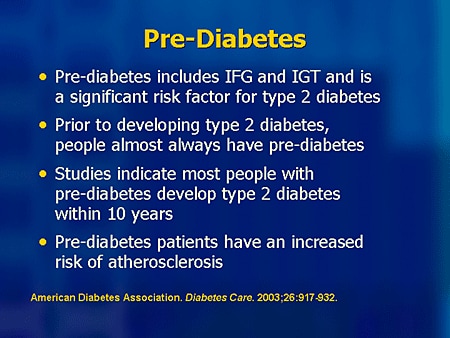
Prediabetes means that your blood sugar level is higher than normal, but it's not yet increased enough to be classified as type 2 diabetes. Still, without intervention, prediabetes is likely to become type 2 diabetes in 10 years or less. (Scroll to end for Prediabetes FAQs)

Traditionally, blood sugar levels below 100 mg/dl have been considered “safe”, whereas levels between 100 and 126 signal a “higher risk” of diabetes (prediabetes). But according to the new study by Dr. Paolo Brambilla and colleagues at the University Milano Bicocca in Italy, the currently accepted "normal" blood sugar range might be too wide.

“FPG (Fasting Plasma Glucose) between 91 and 99 mg/dl is a strong independent predictor of type 2 diabetes and should be used to identify people to be further investigated and aided with preventive measures,” the researchers say. The conclusion significantly expands the "prediabetes" label.

To back their claim, the researchers report that in the course of their study they discovered people at the high end of what's considered the "normal" blood sugar range are twice as likely to get the disease as are those in the low end. The findings are in line with an earlier study from Oregon, and the Italian researchers say they can help identify the people who need extra medical attention.

The researchers looked at data for nearly 14,000 men and women who'd had blood drawn several times at their clinic. The patients were between 40 and 69 years old and all of them had normal blood sugar levels at first. Over the next seven to eight years, on average, about two percent of the women and nearly three percent of the men developed diabetes.

Less than one percent of those who started out with fasting blood sugar levels between 51 and 82 mg/dl wound up with the disease, while more than three percent did so if they had values between 91 and 99. After controlling for other factors that might influence the likelihood of getting diabetes, that corresponded to a two-fold difference in risk of developing the disease.

Research has shown that if you have prediabetes, the long-term damage of diabetes — especially to your heart and circulatory system — may already be starting. If your blood sugar tests over 100 mg/dl fasting more than once, your fasting blood sugar is likely to go over the 125 mg/dl level used to diagnose full diabetes within 3 years.

More importantly, if your blood sugar is at 100 mg/dl fasting, it is very likely that your post-meal blood sugar is heading towards the diabetic range, which is over 200 mg/dl which is why your fasting blood sugar is deteriorating. High post-meal blood sugars kill beta cells. If you can bring down those post-meal highs, you may be able to prevent the beta cell death that is destroying your fasting control!

While opinion is divided on the question whether doctors should treat these people any different, as the researchers suggest, everyone agrees that people should strive to manage their weight and be physically active irrespective of what their blood sugar level is.

The bald reality is that, according to the American Diabetes Association, in the US alone there are three times as many prediabetics as people with diabetes (79:27 million). And It is estimated that there will be 418 million people worldwide with prediabetes by 2025.

How to Tell if You Have Prediabetes
The American Diabetes Association says while diabetes and prediabetes occur in people of all ages and races, some groups have a higher risk for developing the disease than others and warns that Diabetes is more common in African Americans, Latinos, Native Americans, and Asian Americans/Pacific Islanders, as well as the aged population. This means they are also at increased risk for developing prediabetes.

There are three different tests your doctor can use to determine whether you have prediabetes:

• The A1C test

• The fasting plasma glucose test (FPG)

• The oral glucose tolerance test (OGTT).

The blood glucose levels measured after these tests determine whether you have a normal metabolism, or whether you have prediabetes or diabetes.

If your blood glucose level is abnormal following the FPG, you have impaired fasting glucose (IFG); if your blood glucose level is abnormal following the OGTT, you have impaired glucose tolerance (IGT). Both are also known as prediabetes.

The American Diabetes Association Risk Test for Diabetes can help you determine if you are at increased risk for diabetes or prediabetes. A high score may indicate that you have prediabetes or at risk for prediabetes. Take the test and find out for sure.

ADA Prediabetes FAQs

What is prediabetes and how is it different from diabetes?
Prediabetes is the state that occurs when a person's blood glucose levels are higher than normal but not high enough for a diagnosis of diabetes. About 11 percent of people with prediabetes in the Diabetes Prevention Program standard or control group developed type 2 diabetes each year during the average 3 years of follow-up. Other studies show that many people with prediabetes develop type 2 diabetes in 10 years.

What are the symptoms of prediabetes?
The reason why so many people suffer from prediabetes and are completely unaware of it is because it is quite possible for no symptoms to manifest themselves. Both diabetes and prediabetes develop at a gradual rate.

How do I know if I have prediabetes?
Doctors can use either the fasting plasma glucose test (FPG) or the oral glucose tolerance test (OGTT) to detect prediabetes. Both require a person to fast overnight. In the FPG test, a person's blood glucose is measured first thing in the morning before eating. In the OGTT, a person's blood glucose is checked after fasting and again 2 hours after drinking a glucose-rich drink.

How do I stop prediabetes developing into Type 2 diabetes?
The good news may be that, if you have become aware of the disease early, your condition can still be cured. The two principle factors for consideration are the changing of diet and the addition of appropriate physical exercise to your lifestyle. By making these changes, it may be possible to return blood sugar levels to normal. Prediabetes is a serious medical condition that can be treated.

The recently completed Diabetes Prevention Program study conclusively showed that people with prediabetes can prevent the development of type 2 diabetes by making changes in their diet and increasing their level of physical activity. They may even be able to return their blood glucose levels to the normal range. But for a comprehensive and individual plan you should see your doctor.

Is prediabetes the same as Impaired Glucose Tolerance or Impaired Fasting Glucose?
Yes. Doctors sometimes refer to this state of elevated blood glucose levels as Impaired Glucose Tolerance or Impaired Fasting Glucose (IGT/IFG), depending on which test was used to detect it.

Why do we need to give it a new name? Has the condition changed?
The condition has not changed, but what we know about it has. We are giving IGT/IFG a new name for several reasons. prediabetes is a clearer way of explaining what it means to have higher than normal blood glucose levels. It means you are likely to develop diabetes and may already be experiencing the adverse health effects of this serious condition. People with prediabetes are at higher risk of cardiovascular disease. People with prediabetes have a 1.5-fold risk of cardiovascular disease compared to people with normal blood glucose. People with diabetes have a 2- to 4-fold increased risk of cardiovascular disease. We now know that people with prediabetes can delay or prevent the onset of type 2 diabetes through lifestyle changes.

How does the FPG test define diabetes and prediabetes?
Normal fasting blood glucose is below 100 mg/dl. A person with prediabetes has a fasting blood glucose level between 100 and 125 mg/dl. If the blood glucose level rises to 126 mg/dl or above, a person has diabetes.

How does the OGTT define diabetes and prediabetes?
In the OGTT, a person's blood glucose is measured after a fast and 2 hours after drinking a glucose-rich beverage. Normal blood glucose is below 140 mg/dl 2 hours after the drink. In prediabetes, the 2-hour blood glucose is 140 to 199 mg/dl. If the 2-hour blood glucose rises to 200 mg/dl or above, a person has diabetes.

Which test is better?
According to the expert panel, either test is appropriate to identify prediabetes.

Why do I need to know if I have prediabetes?
If you have prediabetes, you can and should do something about it. Studies have shown that people with prediabetes can prevent or delay the development of type 2 diabetes by up to 58 percent through changes to their lifestyle that include modest weight loss and regular exercise. The expert panel recommends that people with prediabetes reduce their weight by 5-10 percent and participate in some type of modest physical activity for 30 minutes daily. For some people with prediabetes, intervening early can actually turn back the clock and return elevated blood glucose levels to the normal range.

What is the treatment for prediabetes?
Treatment consists of losing a modest amount of weight (5-10 percent of total body weight) through diet and moderate exercise, such as walking, 30 minutes a day, 5 days a week. Don't worry if you can't get to your ideal body weight. A loss of just 10 to 15 pounds can make a huge difference. If you have prediabetes, you are at a 50 percent increased risk for heart disease or stroke, so your doctor may wish to treat or counsel you about cardiovascular risk factors, such as tobacco use, high blood pressure, and high cholesterol.

Who should get tested for prediabetes?
If you are overweight and age 45 or older, you should be checked for prediabetes during your next routine medical office visit. If your weight is normal and you're over age 45, you should ask your doctor during a routine office visit if testing is appropriate. For adults younger than 45 and overweight, your doctor may recommend testing if you have any other risk factors for diabetes or prediabetes. These include high blood pressure, low HDL cholesterol and high triglycerides, a family history of diabetes, a history of gestational diabetes or giving birth to a baby weighing more than 9 pounds, or belonging to an ethnic or minority group at high risk for diabetes.

How often should I be tested?
If your blood glucose levels are in the normal range, it is reasonable to be checked every 3 years. If you have prediabetes, you should be checked for type 2 diabetes every 1-2 years after your diagnosis.

Could I have prediabetes and not know it?
Absolutely. People with prediabetes don't often have symptoms. In fact, millions of people have diabetes and don't know it because symptoms develop so gradually, people often don't recognize them. Some people have no symptoms at all. Symptoms of diabetes include unusual thirst, a frequent desire to urinate, blurred vision, or a feeling of being tired most of the time for no apparent reason.

Sources: American Diabetes Association, Diabetes Care, Diabetes UK

Monday, April 4, 2011

Controlling Diabetes May Reduce Cancer Risk and Death

There are myriad benefits from avoiding diabetes through exercise, diet and maintaining a healthy body weight. A new NIH-AARP Diet and Health Studyhas confirmed additional benefits in the form of reduced morbidity and mortality from certain cancers.

Diabetes is associated with lower risk of prostate cancer in men but with higher risk of other cancers in both men and women, and the results provide further evidence that abnormal insulin and glucose signaling may contribute to cancer initiation and development. Previous epidemiologic studies have also shown an association between diabetes and an increased risk for cancers including colorectal, liver and pancreas.

Diabetes Associated With Increased Cancer Risk

The 11-year prospective study followed more than 500,000 patients ‒ predominantly white, non-Hispanic men and women aged 50 to 71 years ‒ from 1995 to 1996. The results showed that diabetes was associated with an 8 percent increased risk for cancer among women and a 4 percent decreased risk for men.
Diabetes is Linked to 3 of 5 Leading Causes of Cancer
In previous research, a decreased risk for prostate cancer was associated with diabetes, which researchers believe might be due to the lower testosterone levels associated with diabetes. After excluding prostate cancer from their evaluation, the researchers found that diabetes was associated with a 9 percent increased risk for cancer in men.

As for mortality, diabetes was associated with an 11 percent increased risk in women and a 17 percent increased risk in men. These risks appeared independent from other cancer risk factors, such as obesity and cigarette smoking.

After evaluating by cancer site, the researchers found diabetes was associated with a significant increase in risk for colon, rectal and liver cancers among men and women. In men, diabetes was associated with an increased risk for pancreatic and bladder cancers. In women, it was associated with an increased risk for stomach, anal and endometrial cancers. No association was found between diabetes and lung, skin or other cancers.

Earlier research has also linked obesity, diabetes and metabolism to cancer risk with the findings linking weight gain and diabetes to a variety of cancers affecting both men and women, including breast, prostate and colorectal cancer.

Colorectal Cancer & Type 2 Diabetes Share Common Factors

Women with diabetes are 1.5 times more likely to develop colorectal cancer than those who do not have the metabolic disorder. The findings add to the complex body of evidence linking diet and colorectal cancer and also provide new evidence that furthers our understanding of the role of insulin in cancer promotion.

It has been determined that colorectal cancer and type 2 diabetes share a number of common factors, including obesity, so it is interesting to see the direct line between these two conditions. In general, the idea is that if elevated insulin levels create a biochemical environment conducive to cancer growth, it provides one mechanism by which diet and lifestyle can really influence cancer risk.

Data from a massive screening study called the Breast Cancer Detection Demonstration Project, initiated at 29 centers throughout the United States in the 1970s involving more than 45,000 study participants with no history of colorectal cancer or self-reported diabetes for eight years (from 1987-1989 and from 1995-1998), was used to identify which of them subsequently developed colorectal cancer.

According to the findings, women with diabetes had a greatly increased risk of developing colorectal cancer. These results remained statistically significant even after controlling for all known and suspected confounding variables.

However, it is not exactly clear what aspect of diabetes is the underlying cause for this increased risk but one hypothesis centers on the elevated concentration of insulin typically seen in people with type 2 diabetes. In the early stages of the disease process, people become insulin resistant, meaning they must produce more and more insulin to regulate their blood sugar.

Pre-Diabetics Also at Increased Risk

Even after frank diabetes begins, insulin levels remain chronically elevated for extended periods before the pancreas can no longer supply the level of insulin the body demands. So, if the elevated insulin is the problem, then pre-diabetics, who are also hyper-insulinemic, should also be at increased risk for developing colorectal cancer.

To test that idea, the researchers re-analyzed the data, this time including women who were likely pre-diabetic at the beginning of the follow-up period. The idea was that these women were likely hyper-insulinemic at that stage. Surprisingly, the elevated risk, while still significant, had dropped slightly in comparison with that of known diabetics.

This suggests that either the pre-diabetic women had not had elevated insulin long enough or intensely enough to increase risk as they observed in the diabetic women, or alternatively, something other than or in addition to hyper-insulinemia could explain the significant, increased risk for colorectal cancer observed in people with diabetes.

Friday, March 11, 2011

Long-Acting Drugs: Once-Monthly Exenatide Shows Promising Results in Phase 2 Trial

Long-acting diabetes drugs seem to have become the flavor of the season. After news of the successful Phase 2 trials of insulin degludec broke yesterday, newpapers reported today that Amylin Pharmaceuticals has also concluded trials of exenatide which can be taken monthly

According to reports, an experimental monthly version of Amylin’s type 2 diabetes drug exenatide worked as well as an experimental weekly version of the injected medication in a recent study.

Amylin is under pressure to get longer-term versions of exenatide onto the market to offset slowing sales of Byetta, the original twice-a-day version of the drug, which has been losing ground to longer-lasting competitors.

The weekly version, known as Bydureon, was rejected in October by FDA regulators who said they wanted new research data on how the weekly medication affects the heart. Amylin launched the study in February with plans to deliver results to the agency in the second half of this year.

In the latest test, the once-monthly version of exenatide reduced average blood-sugar levels, known as A1C, by between 1.3 percent and 1.5 percent in the Phase 2 clinical trial. Patients taking the weekly version of the drug, known as Bydureon, saw their A1C levels fall by 1.5 percent.

In the latest study, 121 patients were randomly given monthly doses of exenatide or weekly shots of Bydureon for 20 weeks. The trial was designed to measure the monthly drug’s effectiveness, safety and tolerability, the company said. The most common side effects from exenatide were headaches and nausea. The Amylin report said little about how well the monthly drug was tolerated among study participants.

The news came after another study showed that Bydureon didn’t control diabetes better thanVictoza, a commercially available once-daily injectable drug made by Novo Nordisk.

All of the drugs are part of a class of injected diabetes medications known as GLP-1 agonists that has emerged in recent years to compete with orally administered therapies.

Amylin plans to open talks with the FDA about whether they need to conduct additional Phase 2 tests on the drug or can move on to larger Phase 3 trials.

Thursday, March 10, 2011

New Ultra-Long-Acting Insulin Taken Thrice a Week Will Reduce Pain of Daily Jabs

A thrice-a-week insulin shot instead of the once-a-day shot at present could soon be a reality.

Doctors from India, Canada, US and South Africa have jointly tested the most promising new form of long- acting insulin ‒ degludec ‒ needed once every 48 hours, and found it to be as good in controlling blood sugar as the presently used insulin of choice, glargine (e.g. Lantus), which is a 24-hour shot.

This means that once in the market, the number of injections needed by a type-2 diabetic patient would be cut by half every week. It will also make insulin shots cheaper for patients. Pharma giant Novo Nordisk of Denmark, which funded the study, hopes to apply for licensing approval to market the drug in 2013.

However, the findings still need to be confirmed in another phase of research, and it's not clear how much the drug would cost if it were approved for this use. The Phase 2 trial results were published this week in the medical journal The Lancet.

Nonetheless, the findings are promising because most patients with diabetes don't want to have injections at all, if they can help it. And those who have to take them would prefer less. Moreover, each additional injection per day is a financial burden.

Announcing the results of their 16-week, phase-II trial of degludec in the medical journal Lancet, scientists said, "In this 16-week randomized trial, participants aged 18-75 years with type-2 diabetes and glycosylated hemoglobin (HbA1C) of 7-11% were enrolled and treated at 28 clinical sites in Canada, India, South Africa and US. At study end, mean HbA1c levels were much the same across treatment groups and insulin degludec provided comparable glycemic control to insulin glargine without additional adverse events. This might reduce dosing frequency due to its ultra-long action profile.”

The novel insulin releases over several days appears as effective as once-daily standard insulin in type 2 diabetes, an open-label trial found. HbA1c levels reached a similar 7.2% to 7.5% over 16 weeks whether patients got the novel insulin degludec three times a week or once daily, or standard insulin glargine (e.g. Lantus) once daily, Bernard Zinman, MD, of Mount Sinai Hospital at the University of Toronto, and colleagues reported online in The Lancet.

Adverse events, including hypoglycemia, were likewise comparable across the insulin groups in the phase II study, mirroring what Zinman initially presented at the American Diabetes Association meeting last summer.

"Insulin degludec is an ultra-long-acting insulin in clinical development. Its features suggest that the risk of hypoglycemia might be reduced and clinical effectiveness might be achievable with dosing three times a week in people with type-2 diabetes who were previously insulin-naive which could help with early initiation of and adherence to insulin treatment," the study says.

"It's an exciting new insulin, it's an ultra-long-acting insulin and the real issue is, of course, this is a small study, a proof-of-concept study, and we have to wait for the results of much larger studies to know where its place will be in a clinical setting," Zinman said in an interview. "It just has a much longer half-life, much more than 24 hours, compared to the other insulin and may provide some additional advantage."

However, Zinman said he doesn't see that three-times-per-week injections will be a common way to treat diabetes. "When you inject three times a week, the doses have to be increased so that it covers the full week, and in those circumstances, the benefits with respect to reducing the rates of hypoglycemia are not there," he said.

"Personally, I wouldn't use it that way. I would use it as once-daily insulin,” said Zinman, but he thinks if people do forget to take their insulin on occasion, this would be more forgiving. "We find people do occasionally forget their insulin, so this may — because it has a longer half-life and hangs around longer — that may be an advantage. I think we need to do studies to really see if that's the case."

However, topline results from a more recent phase III study comparing insulin degludec to insulin glargine again showed virtually identical glycemic control without a significant difference in hypoglycemia between groups.

While it had been hoped that the ultra-long-acting formulation might actually reduce hypoglycemia episodes, the chance to cut down on dosing frequency would be a valuable feature for clinical practice even without a safety or efficacy advantage over current basal insulin choices, Zinman's group suggested.

"A three-times-a-week, weekend-off, dosing regimen might appeal to some people with type 2 diabetes who are inadequately controlled on oral anti-diabetic drug treatments, potentially helping with acceptance and early initiation of insulin therapy," they wrote in the paper.

A longer dosing interval could be important in boosting adherence as well, and with less disruption to patients' lifestyle, Yogish C. Kudva, MBBS, and Ananda Basu, MBBS, both of the Mayo Clinic in Rochester, Minn., noted in an accompanying commentary.

But regardless of increasing numbers of long-acting options in diabetes treatment, lifestyle changes can't be overlooked, they urged.

"It is extremely worthwhile to remember that therapeutic lifestyle changes are inexpensive and favorable on a risk–benefit basis and need persistent re-emphasis, as is being done for the financial benefits accruing to patients from their employer and insurance by doing so," Kudva and Basu wrote in the commentary.

The proof-of-concept study by Zinman's group randomized 245 insulin-naive patients with inadequately controlled type 2 diabetes to open-label treatment at 28 centers internationally with one of the following regimens in combination with metformin:

• Insulin degludec three times a week ‒ Monday, Wednesday, and Friday evenings -- with a starting dose of 20 U per injection

• Insulin degludec in a 600 nmol/mL formulation once a day, with a starting dose of 10 U per injection

• Insulin degludec in a 900 nmol/mL formulation once a day, also at a starting dose of 10 U per injection

• Insulin glargine once a day, at a starting dose of 10 U per injection

Mean reductions in HbA1c over 16 weeks of treatment hit 1.3% to 1.5% in all the groups without significant differences among them. Nor were fasting plasma glucose concentrations any different between groups by the end of the study.

Confirmed hypoglycemia episodes of glucose falling below 55.8 mg/dL or requiring assistance occurred among 23% of patients on thrice-weekly insulin degludec or insulin glargine but 8% to 15% of those on once-daily insulin degludec. Although the difference between the highest and lowest rates was significant, the researchers noted that the 95% confidence intervals overlapped among all the between-group comparisons.

Nocturnal hypoglycemia by the same measure was uncommon, at 0% to 5% across groups, which the researchers attributed in part to the short duration of diabetes in the cohort.

However, as was pointed out at the ADA presentation of the data, the 55.8 mg/dL threshold may have missed hypoglycemia cases by the more standard 70 mg/dL criteria.

Diabetes specialist Dr. Vivian Fonseca, who chairs the endocrinology section at Tulane University Health Sciences Center, cautioned that more research is needed to determine if people who take the drug will face a higher risk of low blood sugar.

That's a major problem for people who currently take insulin medications, she said, as is the unpredictability of the drugs. "You give the same dose to the same person every day, and the next morning you get a different result," Fonseca said. "That is challenging for patients."

The researchers also reported that body weight remained stable throughout the trial for all treatment groups, and they pointed to "no apparent treatment-specific patterns or clustering of adverse events."

However, they cautioned about drawing firm conclusions on safety or efficacy based on the phase II data and noted that the open-label design used because of the different insulin-injection systems for the drugs might have impacted efforts to get glucose under control, as well as reporting of hypoglycemia and adverse events.

Dr Anoop Misra, chairman of Fortis Hospital's Centre of Excellence for Diabetes in New Delhi, India, said, "This is quite a breakthrough. For the first time, we have a ultra-long acting insulin with stable action. This will lead to lesser injections (once in two days) for the patients with good blood sugar control…Till now, all long acting insulin shots are for 24 hours."

It typically takes years for a drug to go through research and get approval from the U.S. government. The three-times-a-week degludec needs just one more phase of research, however, meaning that it could be on the market fairly soon if it's found to be effective. There's no indication of how much it would cost, although Kudva said it's fair to assume that it will be more expensive than insulin is today.

But one thing remains clear, Kudva said: "The most effective treatment for diabetes, a treatment that is worth doing throughout life, is attention to diet and exercise and working on one's weight. These are difficult to achieve, but even as every new medication comes, there's no getting away from that."

The study was sponsored by the drug maker Novo Nordisk of Denmark, and three of the paper's authors are employees of the company and own stock. Zinman, who helped design the study and obtain and interpret the data, has received fees for consultancy and honoraria for membership of advisory boards from Novo Nordisk and a number of other drug companies.

Tuesday, January 18, 2011

Metformin Code Cracked

Scientists in Scotland have used samples taken from 20,000 patients in Tayside to help make a breakthrough in the treatment of diabetes.

Academics from the Biomedical Research Institute at Dundee University played a key role in establishing how the drug metformin actually works.

Metformin has been used worldwide for more than 50 years by people with Type 2 diabetes but scientists have never known exactly how it helped sufferers.

The development means the scientists may now be able to develop the drug to help extend its use.

The team at Dundee used the clinical data of patients with diabetes, linked to donated blood samples from the Tayside area.

They identified a gene that helps to show how the body works with and makes use of metformin, which has been shown to protect against heart, eye and kidney disease in those with the metabolic disorder. It is also recognised as holding benefits against cancer, but scientists have never been able to explain why.

The condition usually affects overweight people and is caused by too much glucose, a type of sugar in the blood. It differs to Type 1 diabetes, which is an insulin-dependent condition usually diagnosed in childhood.

Around 228,000 people are thought to suffer from both types of the disorder in Scotland.

Dr Ewan Pearson and Professor Colin Palmer were among the researchers at the university who were able to determine how well metformin worked.

They identified an area of chromosome 11, which includes a gene called ATM (Ataxia Telangiectasia Mutated), that altered how people responded to metformin. This was also found by researchers in Oxford.

“ATM is a gene that is known to be involved in the DNA damage response system of cells, a mechanism that if faulty can lead to the development of cancer,” Dr Pearson said.

“In one of the largest studies of its kind, we have used the genetics of drug response, otherwise known as pharmacogenetics, to investigate how metformin works.

“We were expecting to find genes involved in blood-sugar regulation so the finding that ATM is involved in metformin response was unexpected.”

Although the ATM gene has been widely studied by cancer scientists, no-one has previously thought it had a role in how this commonly used diabetes drug worked.

Dr Pearson added: “Our finding therefore draws together mechanisms that protect against cancer and lower blood sugar, suggesting a new area for diabetes drug development.”

The research was funded by the Wellcome Trust and Diabetes UK and is published in the journal Nature Genetics.

Professor Peter Donnelly, who leads the Wellcome Trust Consortium at Oxford University and was a lead investigator in the study, said: “We have shown how useful genetics can be in shedding light on how drugs work.

“In addition, this study is the first to robustly identify a gene to be involved in how metformin works, and is there- fore an important first step towards understanding how an individual’s genes can affect the way they respond to treatment.”

Diabetes UK has awarded Dr Pearson further funding to continue the research using new genetic techniques on 8000 people with Type 2 diabetes.

Dr Iain Frame, director of research at leading health charity Diabetes UK, said: “This study is a great example of how research can produce unexpectedly exciting results.

“The benefits for people with Type 2 diabetes may not be immediate but any research that increases our knowledge of how effectively drugs work in different individuals is hugely important.

“This is why Diabetes UK is funding Dr Pearson to continue this important line of research and this is likely to have significant impact in the future for people with Type 2 diabetes and the costs involved to the NHS in treating Type 2 diabetes.

“An added bonus of this work is that the researchers have also discovered that this gene is involved in protecting the body against cancer.”

Thursday, September 16, 2010

Rogue Protein 'May Spark Diabetes'

Shedding light on how a malfunctioning protein helps trigger type 2 diabetes could one day offer the chance to halt the damage, say scientists.The presence of amyloid protein may produce a chain reaction which destroys vital insulin-producing cells.

Researchers based in Dublin, writing in the journal Nature Immunology, say future drugs could target this process. Amyloid is implicated in many other diseases, most notably Alzheimer's. Type 2 is the most common form of diabetes, normally developing in later adulthood. It happens when the body both loses the ability to produce enough insulin to control blood sugar levels, and becomes resistant to the insulin that it does have.

Insulin is made in "beta cells" in the pancreas, and scientists first noticed "deposits" of the amyloid protein in pancreatic tissue of some people with type 2 diabetes some years ago. It was thought that amyloid could be poisoning the cells directly, but the latest research offers an additional explanation.

It found that a type of immune cell called a macrophage, whose normal role is to get rid of debris in the cell, reacted abnormally when it ingested amyloid. It triggered activity in other cells nicknamed "angry macrophages", which in turn released proteins that cause inflammation. The inflammation then destroys the vital beta cells, and the ability to produce insulin is reduced.

The researchers said that they hoped the finding would "spur new research" to target the mechanisms of the disease. Dr Eric Hewitt, a researcher into amyloid-related disease at Leeds University, said the paper was "interesting", and could help explain why the presence of amyloid deposits, or the process that laid them down, could be so damaging. He said: "It suggests we are looking at a very complex disease - we know that amyloid is present in some type 2 diabetics, but not others.

"What we have is a second indirect mechanism which can lead to the destruction of beta cells, and this could be helpful when looking at other diseases which may involve amyloid, such as Alzheimer's. "It does offer a possible opportunity to interrupt this mechanism at some point in the future and perhaps stop the disease from progressing."

BBC News

Monday, September 6, 2010

Diabetes: Novo Nordisk Takes Big Risk With Victoza


Novo Nordisk, with its US headquarters in Plainsboro, has become a pharmaceutical powerhouse in the battle against diabetes.

Novo Nordisk’s gamble on Victoza, its new drug for Type 2 diabetes, often looked like a long shot.

The company’s scientists spent nearly 10 years trying to develop a molecule that would act like a naturally occuring hormone called GLP-1. Once they did, there were still costly setbacks, puzzling questions and enormous doubts, none of which managed to thwart one researcher’s passionate belief in the hormone’s ability to be turned into a drug for lowering blood sugar.

In many ways, the determination that drove Victoza’s development demonstrates just how Novo Nordisk has become such a powerhouse in the battle against diabetes.

After nudging Eli Lilly out as the dominant player in the U.S. diabetes market nearly a decade ago, Novo Nordisk has seen its sales soar. Of course, that’s due in no small part to the nation’s troubling epidemic of diabetes, which creates a huge market for new medicines such as Victoza.

And as the disease grows more prevalent and more costly, the Danish health-care giant, which employs about 1,000 people at its US headquarters in Plainsboro, finds itself trying to balance its search for new treatments with an even more daunting quest: finding a cure.

"They’ve come a long way,’’ Donny Wong, an analyst who follows diabetes drugmakers for Decision Resources. "They’ve been growing rapidly." When Novo Nordisk entered the US market, Eli Lilly’s insulin sales volume outpaced its new competitor 2-to-1. Today, Novo Nordisk controls 42 percent of the total US insulin market, with products such as NovoLog and Levemir.

Lars Rebien Sorensen, chief executive officer of Novo Nordisk, said the company’s insulin business in the US remained small for years, but has grown steadily. Its sales force has ballooned from 165 in the late 1990s to about 1,900 today.

"The last eight years or so have been extraordinary,’’ Sorensen said during a recent interview in New York City. "If you look at our growth, two-thirds of it comes from the U.S.’’

To understand the significance of the US to the company, just look at the prospects for Victoza, which was approved by federal drug regulators earlier this year. Nearly 70 percent of the drug’s value is projected to come from the US, according to Sorensen.

BUILDING A PRESENCE
Novo Nordisk was formed in 1989 when two 76-year-old Danish insulin makers merged. From the start, the company focused on diabetes.

While Novo Nordisk, which generated $9.5 billion in sales last year, remains focused on making insulin, it also makes money on treatments for hemophilia and hormone-replacement therapies. In fact, the hemophilia treatment NovoSeven provided Novo Nordisk with the commercial tail wind it needed to begin building its presence in this country.

With an estimated 24 million Americans diagnosed with diabetes — and many millions more around the world — the market for drug companies is huge and growing. Decision Resources, a research firm that follows the health-care industry, expects the global market for Type 2 diabetes to reach nearly $35 billion, up from $17.5 billion in 2008.

While Novo Nordisk wrestled market share away from Eli Lilly and steadily grew its insulin business in the US, other drugmakers were developing treatments to help address the surge in Type 2 diabetes.

Amylin Pharmaceuticals was one of them. The San Diego-based drugmaker, which partnered with Eli Lilly, beat Novo Nordisk to market with Byetta, the first drug in the GLP-1 class.

GLP-1 is short for glucagon-like peptide 1, a naturally occuring compound that works on different organs to lower the levels of blood sugar. For overweight diabetics, there’s another benefit: GLP-1 attaches to a receptor in the brain to decrease appetite, which over time, leads to weight loss. 

Wong said although insulin is used to treat both types of diabetes, Novo Nordisk has few other targeted therapies for Type 2. "It is a relative newcomer to that space,’’ he said.

Novo Nordisk jumped into the race early on, according to Sorensen, but its progress getting to the finish line was slow and hampered by the sort of issues that characterize all drug development.

"It took us some time, I have to admit,’’ Sorensen said.

'MRS. LIRAGLUTIDE'
Lotte Bjerre Knudsen, a senior scientist at Novo Nordisk, led the 20-year effort to develop Victoza. Before the drug received its brand name, it was known by its scientific name, liraglutide. And in the research laboratory, Knudsen’s dedication earned her the nickname "Mrs. Liraglutide.’’

"There were doubts about whether this would ever be a drug,’’ Knudsen said in an interview last week from Buenos Aires, where she was vacationing. "When you’re making something completely novel, it’s not so untypical."

The promise of the GLP-1 class of drugs fueled the company’s efforts through major setbacks, including a flawed dosing study that cost researchers 18 months. With each setback, Knudsen had to defend the project to management.

Knudsen said her team postponed celebrating Victoza’s development until the drug was approved by U.S. regulators. "It wasn’t good enough until we received that," she said.

Sorensen isn’t ruffled by the criticism that his company took too long to get Victoza to market. "This would typically be our philsophy, to ensure that we have the most optimal molecule,’’ he said. "It has occasionally led to us being second to the market.’’

But being second does have disadvantages. Wong, the analyst with Decision Resources, said Novo Nordisk already has a new competitor nipping at its heels.

Wong said analysts at Decision Resources are contemplating lowering projections that suggested Victoza would generate about $500 million a year by 2019. The company has predicted Victoza will be a blockbuster — a name typically given to a drug that generates $1 billion in annual sales — within five years.

Wong said Victoza’s challenge will come later this year when Amylin and Eli Lilly are expected to launch Bydureon. The new drug offers patients a more convenient medicine they have to inject once a week compared with three times a day or Victoza’s once-a-day regimen.

The ability of Novo Nordisk to capture market share depends on how rapidly it can persuade diabetics to try its once-daily formulation before Amylin’s Bydureon comes on the market.

"The problem is Novo Nordisk has a very narrow window of opportunity," Wong said.

WORKING ON A CURE
In the business world, it seems counterintuitive for a company to diligently work on something that has the potential to put it out of business. Yet, at Novo Nordisk, scientists have spent the past decade doing stem cell research in hopes of discovering a cure for diabetes.

"We have a deep commitment to this, but there’s also a realization that it’s a tough nut to crack,’’ said Alan Moses, chief medical officer at Novo Nordisk. "It’s getting closer to reality.’’

But David Kendall, chief scientific and medical officer for the American Diabetes Association, said researchers have had high hopes of finding a cure for diabetes for decades. In addition to stem cell research, scientists are studying other possibilities, including the development of an artificial pancreas.

"We’re talking about years of development that are still necessary,’’ he said. "Is it three to five or is it 20, it’s difficult to say.’’
Susan Todd/The Star-Ledger

Thursday, September 2, 2010

Some Health Factors May Be Linked To Cognitive Problems For People With Type 2 Diabetes


Type 2 diabetes is linked with a number of health problems, but a new study finds that older diabetics who have high blood pressure, gait and balance problems or think their health is poor may be at higher risk for cognitive problems.

Researchers looked at 13 potential variables that could affect cognition, including grip strength, blood pressure, involvement in physical activities, social engagement, gait and balance, and a subjective measure of a person's health.


The study participants, from British Columbia, included 41 people with Type 2 diabetes age 55 to 81, and a matched group of 458 healthy people that served as a control. They were given cognitive tests that measured memory, verbal fluency, neurocognitive speed, and other abilities.


Three health-related variables were found to be most associated with a higher risk of cognition problems: high systolic blood pressure (the top number that measures the heart's contractions), walking more slowly and being unstable, and thinking that one's health is bad.


Blood pressure might be a factor, the study authors said, because of its role in other metabolic issues such as insulin resistance and hyperglycemia, which may be risk factors for cerebrovascular impairment. Walking and balance could figure in since diabetes may influence the areas of the brain that control gait, balance and cognition. And because Type 2 diabetes can affect stress and depression, those factors could influence results on cognitive tests.


Though the study points out that these related health issues may not always produce learning or memory problems, they are important enough risk factors to be noted.


"Awareness of the link between diabetes and cognition could help people realize how important it is to manage this disease; and to motivate them to do so," said study co-author Roger Dixon of the University of Alberta, in a news release.


The study appears in the September issue of the journal
Neuropsychology.

Thank you Jeannine Stein/Los Angeles Times

Monday, August 23, 2010

Diabetes: What Really Ails China

China’s struggle with diabetes has reached epidemic proportions. This is the conclusion of a group of researchers from Tulane University, whose findings were recently published in the New England Journal ofMedicine, one of the United States’ most prestigious medical journals. 

According to the study, 92.4 million adults in China age 20 or older (almost 10% of the population) have diabetes, and 148.2 million adults have pre-diabetes, a condition that is a key risk factor for developing overt diabetes and/or cardiovascular disease. Of particular significance is the finding that the majority of cases of diabetes are undiagnosed and untreated.

These new figures indicate that China has edged ahead of India to become the country with the largest population of diabetics in the world. 

Most cases of diabetes are from so-called type 2 diabetes, a form of the disease that accounts for 90-95% of all diabetes cases among adults. It results from insulin resistance and is sometimes combined with an absolute insulin deficiency.

The diabetes epidemic is not only a serious public health problem — it can also have serious economic repercussions. A study found that estimated medical costs for diabetes and its complications were 18.2% of China’s total health expenditures in 2007. The World Health Organization (WHO) estimates that diabetes, heart disease and stroke will cost China approximately $558 billion between 2006 and 2015.

Until just over a decade ago, diabetes was relatively rare in China. However, in the last decade the problem has become much more severe. Experts believe that China’s rapid economic development — and the increased urbanization, physical inactivity, unhealthy diet and obesity that often accompany increased prosperity — is an important contributing factor in the development of the disease. 

Environmental toxins may also contribute to recent increases in the rate of type 2 diabetes. This is the opinion of some experts, who found a positive correlation between the concentration in the urine of bisphenol A, a constituent of some plastics, and the incidence of type 2 diabetes.

Obesity has been found to contribute approximately 55% to an individual’s development of type 2 diabetes. A study on the importance of lifestyle factors showed that those who had high levels of physical activity, a healthy diet, did not smoke and consumed alcohol only in moderation had an 82% lower rate of diabetes. When a normal weight was included, the rate was 89% lower.

The increased rate of childhood obesity between 1960 and 2000 is believed to have led to the increase of type 2 diabetes in children and adolescents. There were more than 60 million obese people in China, and another 200 million who were overweight, according to a 2004 nationwide survey.

In the United States, type 2 diabetes affects approximately 8% of adults. That proportion increases to 18.3% among Americans age 60 and older, according to statistics from the American Diabetes Association. In comparison, the worldwide prevalence of diabetes among all age groups was estimated to be 2.8% in 2000, and will rise to 4.4% in 2030.

Diabetes and its consequences have become a major public health problem not only in China, but in many industrialized countries as well. To avoid further damage to people’s health, it is imperative to develop and institute national strategies for preventing, detecting and treating diabetes in the general population.

Thank you Cesar Chelala/The Globalist

Study To Check If Garlic And Asparagus Can Fight Diabetes

Researchers are investigating whether foods including garlic and asparagus could help weight loss and diabetes. In news that could make ardent vegans and vegetarians feel a little smug, the charity Diabetes UK is examining whether foods rich in fibre could supress people's appetites and reduce their blood sugar levels.

Fermentable carbohydrates, a kind of fibre, are found in foods such as asparagus, garlic, chicory and Jerusalem artichokes. If the foods are found to have this effect it could revolutionise treatments to tackle obesity and type 2 diabetes. Recent research has suggested that foods high in fermentable carbohydrates are particularly good at stabilising blood sugar levels.

The three-year study by the Nutrition and Research Group at Imperial College London, aims to establish whether these carbohydrates cause the release of gut hormones that could reduce appetite and enhance insulin sensitivity, which could reduce blood sugar levels and help control weight. The carbohydrates will be given to participants in the study as a daily supplement.

Dietitian Nicola Guess, who is leading the study, said: "By investigating how appetite and blood glucose levels are regulated in people at high risk of type 2 diabetes, it is hoped that we can find a way to prevent its onset. Type 2 diabetes accounts for 90% of diabetes cases and, if left untreated, can lead to serious health complications including heart disease, stroke, blindness, kidney failure and amputation, according to Diabetes UK.

Dr Iain Frame, the charity's director of research, said: "It is unlikely that any single measure used on its own will bring about improved prevention of type 2 diabetes. But it's hoped that the research being funded at Imperial College will help by aiming to develop an easy and affordable way to help people to reduce their risk of developing type 2 diabetes and managing their blood glucose levels."

Thank you David Batty/Guardian

Sunday, August 22, 2010

Controlling a Fat-Regulating Protein Dramatically Increases Insulin Sensitivity


PPARy is a protein that regulates the body's production of fat cells. However, obesity can modify how PPARy works, leading to decreased insulin sensitivity and the development of metabolic syndrome. (Metabolic syndrome is the cluster of factors, including insulin resistance, overweight, high blood pressure, and abnormal blood sugar levels, that is a precursor to type 2 diabetes.)

But now a joint team of researchers from The Scripps Research Institute in San Diego and the Dana-Farber Cancer Institute at Harvard University in Cambridge has found a way to control the adverse changes in PPARy brought on by obesity.
One of those changes is phosphorylation, when an enzyme called cdk5 kinase adds a phosphate group to PPARy. That addition causes PPARy to alter the expression of several genes, including one that regulates production of adiponectin, a protein essential to insulin sensitivity. 

The challenge for the scientists was to find a way to change PPARy back to its normal state without inducing it to overproduce fat cells. They knew from a previous study that an agonist, a compound that makes cells respond in certain ways, interacted with the region of PPARy known to regulate fat generation. The agonist in that case was a full agonist, meaning that it was able to easily combine with a receptor in that region of PPARy and activate it to do a certain thing-in this case, not generate fat cells.

The researchers wondered if partial agonists-chemical agents that have only partial effects on certain cell receptors-could be used to counteract the insulin-suppressing effects of phosphorylation on PPARy without the side effect of ramping up fat cell production.

They found that while partial agonists did not interact with the PPARy receptor that governs fat cell production, one, called MRL24, worked  extremely well in the exact region of PPARy where phosphorylation takes place. By altering and diminishing that region's receptiveness to  phosphorylation, MRL24 allowed PPARy to increase the production of adiponectin.

Those findings, which open the door to learning how to fully manipulate PPARy, could lead to drugs that reduce the risk of developing type 2 diabetes and cardiovascular problems. If PPARy can be prevented in obese people from losing its ability to direct the production of adiponectin, it could become a significant therapy in treating the effects of extreme overweight.

Thank you Patrick Totty

Saturday, August 21, 2010

Blood Sugar Management: Estimated Average Glucose


What Is Estimated Average Glucose?
Diabetes patients may be walking away from their medical appointments armed with new information to help them better improve and manage their diabetes. Like the familiar A1C test, the estimated average glucose, or eAG, is derived from glucose values taken over the course of three months.

The eAG, however, is not reported as a percentage but in the same values seen via daily self-monitoring – mg/dl or mmol/L. The formula for determining average glucose is 28.7xA1C-46.7 = eAG.

The following chart translates A1C percentages into eAG:
If your A1C is this:eAG (Estimated Average Glucose) is this:
%mg/dlmmol/l
10.0%24013.4
9.0%21211.8
8.0%18310.1
7.0%1548.6
6.0%1267

The new eAG term was introduced to help stem confusion after a new worldwide standardization of A1C analyses was set. The new values are 1.5 to 2 percentages points lower than the current standard. In addition, the new values were reported in millimoles per mole (mmol/L), whereas A1C results were always reported as percentages.

An international study was then conducted to look at the relationship between HbA1c and average glucose. The A1C-Derived Average Glucose Study revealed a close relationship between HbA1C and AG (average glucose). This relationship is the eAG, which applies to patients with both type 1 and type 2 diabetes. This new terminology now focuses on a single set of values for both daily glucose checks and long-term control.
 

SOURCE: American Diabetes Association. Estimated Average Glucose.
http://professional.diabetes.org/glucosecalculator.aspx

Friday, August 13, 2010

Brain Surgery Could Treat Diabetes

Chronicling an unusual approach to the treatment of type 2 diabetes, a small study of 10 patients by Allegheny General Hospital physicians led by neurosurgeon Peter Jannetta suggests that a type of brain surgery can lead to improvement in the onset and progression of the disease.

The study about the effects of surgery to decompress an artery pressing on the medulla oblongata was published on August 12 in the journal Surgical Neurology International. Dr. Jannetta is known for his work developing the surgery, called microvascular decompression. In the surgery, the artery is repositioned and a protective pad is placed between it and the nerve.

The medulla oblongata is responsible for, among other things, function of the pancreas, which is involved in the production of insulin. Type 2 diabetes is characterized by a resistance to insulin, which helps the body effectively use glucose for energy.

Dr. Jannetta noted that an earlier group of 15 of his patients had both type 2 diabetes and what was considered unrelated cranial nerve disease. They were given the decompression surgery. Reviewing results, he noted that nine of them had improved diabetes symptoms.

He hypothesized that the nerve compression affected the pancreas and surgery could mitigate the disease. He enrolled 10 diabetes patients for the followup study. All 10 patients had both steadily progressive type 2 diabetes and compression in the medulla, which had been detected through MRI scans. They underwent the decompression surgery in 1997-99 and were followed for a year, during which time they were not permitted to make any changes in diet, weight or activity.

Seven of the 10 showed significant improvement in their glucose control and decreased medication dosages. One patient went off medication altogether.
The study's endocrinologist noted that the three who did not improve had higher body mass indexes, falling into the obese category. The other seven had BMIs in the overweight class.

Dr. Jannetta's group is embarking on a larger study in partnership with the University of Minnesota and the University of Toronto. Prospective study subjects are undergoing MRI scans.

The research drew criticism from at least one diabetes expert. "It sounds very farfetched to me," said Vijay Bahl, chief of endocrinology and metabolism at UPMC Shadyside. "We know the brain controls blood sugar ... and other neurotransmitters like dopamine ... but the decompression of a blood vessel (as a treatment) just doesn't sound real."

An accompanying editorial in the medical journal called for further investigation into the connection between the brain condition and diabetes.

Pohala Smith/Pittsburgh Post-Gazette

Friday, August 6, 2010

Preventing Diabetes And Literacy Key To Beat Dementia

According to a BBC report, preventing diabetes and depression could have a dramatic impact on cutting cases of dementia, a study suggests. Boosting levels of education and upping fruit and vegetable consumption would also have a big effect, the British Medical Journal said. It comes as another study showed dementia patients are missing out on vital early treatments because GPs are being slow to diagnose them.

Several risk factors for the disease have been identified, including obesity, high blood pressure and high cholesterol. But British and French researchers wanted to assess what public health interventions could have the biggest impact on reducing the burden of dementia in the population.

They took a group of 1,400 elderly people and tested them for signs of dementia after two, four and seven years. Alongside this they recorded height, weight, education level, monthly income, mobility, dietary habits, alcohol consumption, and tobacco use and asked participants to do a reading test as a measure of intelligence.

Eliminating depression and diabetes and increasing fruit and vegetable consumption were estimated to lead to an overall 21% reduction in new cases of dementia. Increasing education would also lead to an estimated 18% reduction in new cases of dementia across the general population over the next seven years, they reported. By contrast, removing a gene linked with the disease would only cut new cases by 7%.

The team concluded that early screening for diabetes and treatment of depression would be the most useful approach for trying to reduce the future burden of dementia. And they added that encouraging literacy at all ages and trying to increase population intake of fruit and vegetables would also have an important effect but admitted that these aims were harder to achieve. Further studies including younger adults are needed to test the impact of such approaches, they added.

In the second study also in the BMJ, analysis of health records of over 135,000 people in the UK found that people with dementia were three times more likely to die in the first year after diagnosis than those without the condition.

That suggests that diagnoses are being made in the later stages of the disease.
Study leader Dr Greta Rait from the Medical Research Council said: "GPs are going to be dealing with more and more dementia cases in future and primary care must get better at detection."

Rebecca Wood, chief executive of the Alzheimer's Research Trust, said the links between depression, diabetes and dementia were well known. "Any policy that urges clear diagnosis and monitoring of these conditions could help make an impact on dementia.

"What is painfully evident from the study is the gaping hole that remains in our understanding and ability to diagnose or treat dementia effectively, a hole that can only be filled by more research."

Professor Clive Ballard, director of research at the Alzheimer's Society said a healthy lifestyle is key. "Effective prevention of diabetes, depression and heart disease could potentially improve the lives of millions of people affected by this cruel condition and reduce the billions spent on dementia care each year."

Dr Victoria King, head of research at Diabetes UK, said there is a growing body of evidence suggesting links between diabetes and Alzheimer's disease. "Finding ways to stop the type 2 diabetes epidemic in its tracks can only be seen as a good thing - especially as this could prevent millions of people developing the serious complications of the condition, which include heart disease, stroke, kidney failure, blindness and amputation." 

Sunday, August 1, 2010

Diabetes: Urine Test For Diagnosing Blood Sugar Levels

Urine investigation is a mapping of chemical composition of urine. It is a viewing test which is a successful method of ascertaining the phase of diabetes mellitus. However, a mass of doctors recommend it to find out the route cause of a number of diseases.

Urine investigation for Diabetes Mellitus
Diabetes mellitus, otherwise known as just diabetes, is a indication of chaotic metabolism resulting in an augmented amount of blood sugar. Its cause could vary from ecological factors to hereditary causes. Diabetes is of two types - Type 1 and Type 2. People who are diagnosed with either of the two are asked to undertake yearly urine tests for microalbumin.

Urine Analysis - Its Types
Urine analysis for diabetes is generally of two types - chemical investigation and macroscopic (visual) scrutiny. The earlier is used for a more in depth investigation of urine (i.e. to check the levels of micro albumina) whereas the latter is more pinpointing in nature (color and amount in Type 1 diabetes). Of the two, it is the former which is a more solid indicator of diabetes.

Urine Test for Microalbuminuria
The need to carry out urine test in diabetes is the reality that the body tries to eliminate excess levels of sugar in the bloodstream. Kidneys have to work ultimately and in a more advanced stage of diabetes they get spoiled (also called micro albuminuria). When this happens, the function performed by the kidney reverses. It is no longer the blood impurities which are accepted in urine but vital protein. 

The protein (albumin) level is measured so that it indicates the phase of the test subject’s diabetes. The following tabulated consequences would provide you with a more precise indication -

1. 300 mg or more means a progressed stage of kidney disease.
2. 30 mg to 299 mg mean a premature stage of microalbuminuria.
3. 30 mg is measured as normal.

How is The Urine Analysis Performed?
Urine investigation begins with the collection of sample. The technique to gather the sample is different for men and women. However, the general point between the two is that the technique first involves cleaning the tip of the urinary tract so that any accumulated composite do not enter the sample.

Once the area is cleaned with sanitization swipes, individuals are asked to pass urine. Ideally, urine passed for the first few seconds is not to be collected as it may not have what laboratory technicians may be looking for. These chemicals come into view only after 5 to 6 seconds which are then collected in a clean sample cup. The quantity collected is about 10-15 ml. The sample should be taken for investigation within an hour or else the chemicals would start to decay.

Saturday, July 31, 2010

Black Tea Helps Fight Type 2 Diabetes

Patients with type 2 diabetes mellitus may be better off drinking black tea often, a new study published in the July 29, 2010 issue of Annals of Nutrition & Metabolism suggests.

The study found people with type 2 diabetes mellitus who drank black tea extract reduced oxidative stress and inflammation.

The study led by Neyestani TR and colleagues from the Shaheed Beheshti University of Medical Sciences in Tehran, Iran was intended to evaluate the possible effects of different daily doses of black tea intake on oxidative stress, inflammatory and metabolic biomarkers in patients diagnosed with type 2 diabetes mellitus.

The researchers gave a study group of 23 type 2 diabetics a series of different daily doses of black tea extract, 150,300, 450, and 600 ml of the extract during the weeks 1, 2, 3 and 4 respectively.  They gave also gave a control group of 23 patients 150 ml of black tea extract daily for four weeks.

The antioxidant capacity was boosted in both groups, the study found.

The study group of diabetics who used four cups of black tea extract a day experienced a significant decrease in  serum c-reactive protein and an increase in the glutathionine level.

The authors concluded that drinking black tea daily helps patients with diabetes mellitus.

Vitamin D is one of the nutrients that have been found protective against diabetes mellitus.

Thank you Jimmy Downs/FoodConsumer