Bookmark and Share
Showing posts with label Insulin Resistance. Show all posts

Wednesday, May 4, 2011

Poor Sleep Quality In People With Diabetes Leads To Poor Blood Sugar Control

• Do you have difficulty falling or staying asleep?

• Are you excessively sleepy during the day or fall asleep when you don't want to?

• Do you snore or have you been told that you snore loudly?

• Do you gasp for air or have you been told that you stop breathing during sleep?

• Do you experience uncomfortable sensations in the legs in the evening that are relieved by movement?

• Are you a restless sleeper or have you been told that you kick during sleep?


SLEEP disturbances are common and can be detrimental to the health, mood, and quality of life of people with diabetes. Sleep-disordered breathing, pain, restless legs syndrome, primary insomnia, and lifestyle factors all contribute to a high rate of sleep complaints in this population.
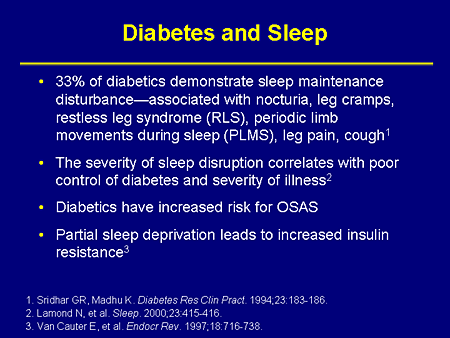
Because the etiology of poor sleep quality is often multifactorial and may shift over time, a careful evaluation for insomnia, sleep-disordered breathing, and restless legs syndrome should be an integral part of the routine care of patients with diabetes, say experts.

Generally, people with diabetes have poorer sleep than non-diabetics. Also, poor sleep has been proposed as a risk factor for developing the disease. Sleep disorders, such as obstructive sleep apnea, are more prevalent in people with type 2 diabetes. Therefore, it is not surprising that up to 71% of this population complain of poor sleep quality and high rates of hypnotic use.

Diabetes is worse when combined with insomnia symptoms. In fact, insomnia makes most medical diseases much worse in ways that are only just being found out and can chemically disrupt the body’s insulin balance enough to even be a root cause for certain types of diabetes, say experts.

Insomnia-Insulin Resistance Link

In the largest study of its kind to establish a link between sleep and diabetes ‒ published in the June issue of Diabetes Care ‒ researchers have found that people with diabetes who sleep poorly have higher insulin resistance, and a harder time controlling the disease.

"Poor sleep quality in people with diabetes was associated with worse control of their blood glucose levels," says Kristen Knutson, PhD, assistant professor of medicine at the University of Chicago Medical Center and lead author of the study.

"People who have a hard time controlling their blood glucose levels have a greater risk of complications. They have a reduced quality of life. And, they have a reduced life expectancy," she explains in apress statement.

Multiple factors contribute to insomnia complaints in patients with diabetes, say Phyllis C Zee, and Erik Naylor in their expert columnin Medscape. In type 1 diabetes, rapid changes in glucose levels during sleep have been postulated to cause awakenings. For individuals with type 2 diabetes, sleep disturbances may be related to obesity or obesity-associated sleep disorders, such as sleep apnea.

Sleep-disordered breathing correlates highly with obesity in the diabetic population. A strong association also exists between obesity, impaired glucose tolerance, insulin resistance, and sleep-disordered breathing.

Furthermore, the severity of sleep-disordered breathing, as measured by the apnea-hypopnea index, correlates with the severity of glucose intolerance, insulin resistance, and diabetes. Although obstructive sleep apnea is the most common type of sleep-disordered breathing, central-type apneas and periodic breathing have been reported in patients with autonomic diabetic neuropathy.

The Chemistry of the Sleep-Wake Cycle 

Since diabetics are sensitive to blood glucose levels and chemical balances in the body, it’s illustrative to explore just how detrimental disruptions in the sleep cycle can be. Studies have shown that diabetes worsens when adult sufferers sleep less than 6 hours per night or more than 9.

The loss of normal sleep hours or addition of sleep hours seems to undo the body’s chemistry and completely throw off-balance the blood glucose levels. Doctors don’t know for sure the exact chemistry behind this phenomenon outside of the observation. This underscores the importance of the sleep cycle chemistry.

In Knutson’s study, for example, among the diabetics, poor sleepers had 23% higher blood glucose levels in the morning, and 48% higher blood insulin levels. Using these numbers to estimate a person's insulin resistance, the researchers found that poor sleepers with diabetes had 82% higher insulin resistance than normal sleepers with diabetes.

Other studies have shown that chronic insomnia in healthy people can also instigate diabetes. Loss of sleep interrupts insulin balance—leads to insulin resistance—which in turn can lead to more severe medical problems and Type 2 diabetes.

Diabetes Management

Much of the challenge for diabetics is proper and long-term management of their diabetes. When the sleep-wake cycle is also mismanaged, so too is the diabetes. Like many other medical diseases and conditions, diabetes is sensitive to sleep disturbances. But insomnia, as a set of symptoms, is usually secondary to something else.

Insomnia is characterized in a number of ways: you could have problems going to sleep (sleep onset insomnia), problems waking up and going back to sleep (middle of the night insomnia), or waking up in the early dawn unable to return to sleep that night (terminal or late insomnia). Doctors can often associate particular patterns of insomnia such as these to particular medical problems.

Insomnia is rarely treated as a primary affliction. In most medical sectors it’s important to identify and diagnose insomnia for its implication in other problems, including depression, a common secondary illness to diabetes. As patients get older, the risk for depression escalates. Loss of a loved one, stress, anxiety and a range of other social disturbances can set in motion the symptoms for chronic insomnia. Loss of sleep makes for haywire blood sugar.

The Way Forward

Knutson says the next step for researchers is to see if treating poor sleep can improve long-term outcomes and quality of life for diabetics. "For someone who already has diabetes, adding a sleep treatment intervention, whether it's treating sleep apnea or treating insomnia, may be an additional help for them to control their disease," she points out.

In fact, restoring a healthy amount of sleep may be as powerful an intervention as the drugs currently used to treat type 2 diabetes. "This suggests that improving sleep quality in diabetics would have a similar beneficial effect as the most commonly used anti-diabetes drugs," says Eve Van Cauter, PhD, professor of medicine and co-author of the study.

"For someone who already has diabetes, adding a sleep treatment intervention, whether it's treating sleep apnea or treating insomnia, may be an additional help for them to control their disease," feels Knutson.

Further investigation into which leads to the other – the chronic poor sleep or chronic insulin resistance – could improve the quality of life for people with type 2 diabetes. "Anything that we can do to help people improve their ability to control their glucose will help their lives in the long run," Knutson concludes.

Monday, April 18, 2011

Breaking News: Type-2 Diabetes May Be An Autoimmune Disease

Type-2 diabetes is characterized by the gradual development of insulin resistance, which affects the ability of the body to properly metabolize glucose. It's associated with being overweight, but it can also have a genetic component. But despite the fact that millions of people have type-2 diabetes, the root cause of the insulin resistance is not known

Today, Stanford researchers reported that type-2 diabetes islooking more and more like an autoimmune disease, rather than a strictly metabolic disorder.

"The main point of this study is trying to shift the emphasis in thinking of type 2 diabetes as a purely metabolic disease, and instead emphasize the role of the immune system in type 2," says the study’s co-first author Daniel Winer, MD.

Commenting on the findings, Dr. David Kendall, chief scientific and medical officer for the American Diabetes Association, said, “This doesn't change our current approach to type 2 diabetes therapy, but it's important to understand that type 2 has multiple contributors to its onset. For some people, it may be an immune component, and if it is, we should be able to develop some better therapies."

"People with type 2 diabetes are often blamed for bringing the disease on, but it's a combination of genetic and physiological factors exposed to a certain environment. And, this study points out what may be another important biologic factor," he added.

Be that as it may, these findings ‒ published online April 17 in the journal Nature Medicine ‒ will change the way people think about obesity, and will likely impact medicine for years to come as physicians begin to switch their focus to immune-modulating treatments for type-2 diabetes.

Although the causes of type 2 haven't been clear, it's known that the disease runs in families, suggesting a genetic component. Also, while type 2 is strongly linked to increased weight, not everyone who is overweight gets type 2 diabetes. And, that's what got the researchers searching for another factor.

In 2009, Daniel Winer (along with his twin brother Shawn) showed that T- cells of the immune system were involved in people developing insulin resistance. They have now discovered that another immune cell, called a B-cell, also plays an important role.

Winer explained that excess weight has been linked to inflammation, which can cause the immune system to react. As visceral fat (abdominal fat) expands, it eventually runs out of room. At that point, the fat cells may become stressed and inflamed, and eventually the cells die. When that happens, immune system cells known as macrophages come to sweep up the mess.

Other immune system cells, known as T-cells and B-cells, also respond to the stressed or dying cells. But, these cells are the ones that create specific antibodies to remember a threat to the body. For example, these are the cells responsible for creating immunity when you're exposed to a certain flu virus.

In this case, however, instead of creating antibodies against a foreign substance, immune system cells ‒especially the B cells ‒ create antibodies against fat cells. Those antibodies then start attacking the fat cells, making them insulin resistant and hindering their ability to process fatty acids. In addition to type 2 diabetes, this onslaught against the fat cells is associated with fatty liver disease, high cholesterol and high blood pressure, according to the researchers.

The researchers found that mice genetically engineered to lack B cells were protected from developing insulin resistance even when they grew obese on the high-fat diet (60 percent fat). However, injecting these mice with B cells or purified antibodies from obese, insulin-resistant mice significantly impaired their ability to metabolize glucose and caused their fasting insulin levels to increase.

Interestingly, treating the mice with a compound called anti-CD20, which targets mature B cells for destruction, kept the animals from developing insulin resistance. The human version of anti-CD20, called rituximab, is already FDA-approved to treat some blood cancers and autoimmune disorders.

The researchers also tested blood samples from 32 obese humans. Half had insulin resistance. Those who were insulin-resistant had a distinct set of antibodies compared to the antibodies found in those without insulin resistance. This, according to Winer, suggests the possibility of developing a vaccine for type 2 diabetes based on what appear to be protective antibodies in those who are obese but not insulin-resistant.

Pointing out the mice and the human volunteers were all male, Winer said it's not clear if these findings are applicable to women. He also noted that anti-CD20 is not benign ‒ it dampens the immune system and can cause significant side effects, it’s not certain if it would ever be used for type 2 diabetes because other treatments are available.

Sources: Stanford News, HealthDay, Nature Medicine

Sunday, April 17, 2011

How Fatty Foods Lead to Diabetes

Findings provide further evidence of importance of choosing foods low in unhealthy saturated fats

FINALLY, new research from the University of North Carolina at Chapel Hill School of Medicine adds clarity to the connection between high saturated fat diet and type 2 diabetes.

Several decades ago scientists noticed that people with type 2 diabetes have overly active immune responses, leaving their bodies rife with inflammatory chemicals. In addition, people who acquire the disease are typically obese and are resistant to insulin, the hormone that removes sugar from the blood and stores it as energy.

But for years no one has known exactly how the connection between high levels of body fat (obesity), inflammation and insulin resistance, three factors that are known to increase type 2 diabetes risk.

The Chapel Hill study has found that saturated fatty acids ‒ but not the unsaturated type ‒ can activate immune cells to produce an inflammatory protein, called interleukin-1beta
Using mouse cell lines (in vitro) and genetically engineered (defective inflammasome pathway) and wild-type mice (in vivo), the researchers found that intake of the saturated fatty acid palmitate, activates the NLRP3-ASC inflammasome-triggering production of IL-1beta, as well as the additional inflammatory factors caspase-1 and IL-18.

The activation of the inflammasome then impairs insulin signaling in several target tissues, such as muscle and adipose fat, thus reducing glucose tolerance and insulin sensitivity. IL-1beta also affects insulin sensitivity through tumor necrosis factor-α-independent and dependent pathways. When fed with a high-fat diet, mice with a defective inflammasome pathway had better maintenance of glucose homeostasis and higher insulin sensitivity.

The Chapel Hill researchers found that induction of the inflammasome by saturated palmitate is distinguished by its use of the AMP-activated protein kinase and unc-51-like kinase-1 autophagy-signaling pathways, and the presence of mitochondrialreactive oxygen species.

"The cellular path that mediates fatty acid metabolism is also the one that causes interleukin-1beta production. Interleukin-1beta then acts on tissues and organs such as the liver, muscle and fat (adipose) to turn off their response to insulin, making them insulin resistant. As a result, activation of this pathway by fatty acid can lead to insulin resistance and type 2 diabetes symptoms,” explains senior study co-author Jenny Y. Ting, PhD, William Kenan Rand Professor in the Department of Microbiology and Immunology

In layman terms, a diet rich in saturated fat, in addition to causing weight gain, activates certain cells of the immune system, instructing them to produce a protein called interleukin-1beta. This molecule is known to cause inflammation throughout the body.

This molecular complex inside cells, called the inflammasome, plays an important role in immunity by triggering inflammation in response to a wide variety of harmful agents ranging from bacteria to asbestos. This inflammation, in turn, affects the tissue of muscles, the liver and other organs, impairing their ability to react to insulin. This characteristic is one of the hallmarks of type 2 diabetes

Ting and colleagues have found that palmitate, a fatty acid common in a high fat diet, triggers activation of the inflammasome. Palmitate-triggered inflammation is also responsible for interfering with the insulin sensitivity of liver cells ― a major feature of type 2 diabetes.

In addition to explaining a poorly understood set of processes that were known to increase type 2 diabetes risk, the findings also provide further evidence of the importance of choosing foods low in unhealthy saturated fats. The researchers found that unsaturated fats, like omega-3s, did not activate this process.

Friday, April 8, 2011

Diabetes: Wake Up and Smell the Coffee ‒ Caffeine Harms Your Health

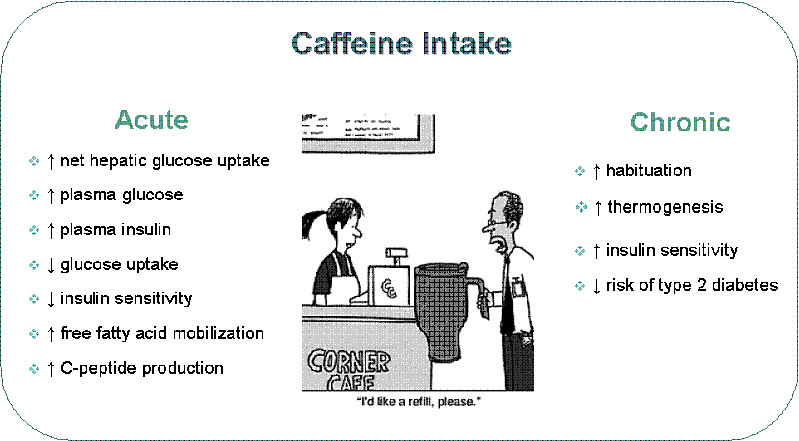
PREMATURE attributions of cause and effect should not be used to justify recommendations in favor of coffee drinking as beneficial to health, especially given the broad range of adverse effects attributable to caffeine.

Indeed a growing body of research suggests that caffeine disrupts glucose metabolism and may contribute to the development and poor control of type 2 diabetes. A review article in the inaugural issue of Journal of Caffeine Research examines the latest evidence, contradicting earlier studies suggesting a protective effect of caffeine.

In the lengthy review that cites 49 past and current research studies, James Lane of Duke University describes numerous studies that have demonstrated caffeine's potential for increasinginsulin resistance (impaired glucose tolerance) in adults that do not have diabetes, an effect that could make susceptible individuals more likely to develop the disease. In adults with type 2 diabetes mellitus (T2DM), studies have shown that the increase in blood glucose levels that occurs after they eat carbohydrates is exaggerated if they also consume a caffeinated beverage such as coffee. This effect could contribute to higher glucose levels in people with diabetes and could compromise treatment aimed at controlling their blood glucose.

More than 220 million people worldwide have diabetes and the links that have been revealed between diabetes and the consumption of caffeine beverages (especially coffee) are of monumental importance when it is acknowledged that more than 80% of the world's population consumes caffeine daily.

Caffeine Effects on Insulin Resistance
The effects of caffeine on glucose metabolism have been studied in both healthy and T2DM individuals. The studies of healthy adults demonstrate the impact of caffeine when glucose regulation has not been compromised.

These results relate most directly to caffeine's potential contributions to T2DM development, in those who are predisposed to the disease, and prevention. Studies of patients who have T2DM provide evidence of the potential clinical impact of caffeine on glucose management. Studies in both groups provide strong evidence that caffeine impairs glucose homeostasis through a transient increase in insulin resistance.

At least 17 studies were published between 1968 and 2010 describing the effects of caffeine on glucose metabolism in healthy nondiabetic adults. Most of the studies examined glucose and insulin responses to carbohydrate challenge. Glucose and insulin levels were measured first under fasting conditions and then repeatedly for several hours after administration of a standard dose of glucose or carbohydrate administered orally or by intravenous infusion (IV).

Of the 14 studies that used this challenge protocol, all but one found evidence of insulin resistance after caffeine administration, compared to placebo control. Insulin responses were significantly larger after caffeine, indicating that more insulin was required to dispose of the glucose.

Even though more insulin was secreted after caffeine, none of the studies observed smaller glucose responses. Indeed, some found that caffeine potentiated the postchallenge glucose responses as well. Those who calculated whole-body insulin sensitivity index (ISI) found that caffeine decreased this measure of insulin sensitivity.

Three other studies used a technique known as the hyperinsulinemic-euglycemic clamp to measure caffeine's effects on insulin sensitivity more directly. All three studies found that a moderate dose of caffeine significantly decreased glucose disposal compared to placebo control. These results provide specific evidence that caffeine produces an acute reduction in insulin sensitivity (increased insulin resistance) in healthy nondiabetic men and women.

Studies have investigated the impact of caffeine on glucose tolerance in patients who have T2DM. Because diabetic patients typically have smaller insulin reserves, ingestion of carbohydrate usually produces a sustained hyperglycemia.
The effects of caffeine on this postprandial hyperglycemic response was first studied in 1967, when the observation was made that two cups of instant coffee (compared to hot water) exaggerated the rise in blood glucose that followed the IV injection of glucose solution.

This effect has been replicated in three more recent studies that tested the effects of double-blind administration of moderate doses of caffeine vs. placebo on glucose and insulin responses to carbohydrate challenge. The effects of caffeine were also studied in women who had gestational diabetes, a form of glucose dysregulation that can occur during pregnancy.

In all four studies, caffeine exaggerated the glucose and insulin responses to the carbohydrate challenge and decreased whole-body insulin sensitivity. These results confirm that caffeine increases insulin resistance in T2DM patients, as it does in nondiabetic patients. However, in T2DM patients, this effect also exaggerates the hyperglycemic response to carbohydrate.

Caffeine can impair glucose regulation in the real world as well as in the laboratory. An ambulatory study monitored glucose levels continuously for several days during the ordinary activities of a small group of T2DM coffee drinkers. The results provide evidence that caffeine impairs glucose regulation in the natural environment where caffeine is consumed, as it does in the laboratory.

Mechanism
In general, caffeine is thought to produce its widespread physiological effects through actions as a potent antagonist for adenosine receptors both centrally and peripherally. One hypothesis is that caffeine impairs glucose metabolism through the release of stress hormones, especially epinephrine and cortisol. Evidence from two human studies supports this hypothesis.

One study found that the drug propranolol, used to block the beta-adrenergic actions of epinephrine, abolished caffeine's exaggeration of the postprandial insulin response and the reduction of whole-body insulin sensitivity.

A second study found that caffeine had no effects on glucose tolerance in a group of adults with tetraplegia, who did not produce increased epinephrine in response to caffeine. Both studies suggest that epinephrine could mediate caffeine's effects on glucose and insulin resistance.

However, a study that directly compared caffeine with high- and low-dose epinephrine infusions for their effects on insulin sensitivity found that caffeine did not raise epinephrine levels high enough to fully account for effects on glucose metabolism.
Caffeine Content in Beverages
Although evidence is strong that caffeine produces a transient resistance to insulin action and impairment of glucose tolerance, doubts have been raised about the relevance of these acute effects to the potential public health impact of chronic daily consumption of caffeinated beverages like coffee, tea, and soft drinks.

Perhaps the strongest doubt arises from the common belief that habitual consumption of coffee or other caffeinated beverages leads to the development of tolerance to caffeine and the disappearance of acute effects after daily use. However, there is good reason to believe that habitual caffeine intake does not eliminate the increases in insulin resistance.

A second doubt concerns whether drinking coffee has the same effects as caffeine ingested in capsules. This question is especially relevant given the evidence that heavy coffee drinking is associated with lower risk of developing T2DM. Evidence from studies suggests that coffee has effects similar to pure caffeine. Consumption of coffee, tea, and caffeinated soft drinks may all have similar effects, due to the caffeine that each contains.

A third doubt about the public health relevance of these effects is whether the effects of caffeine on glucose metabolism are sufficiently large to be of clinical importance for the prevention or management of T2DM. Evidence suggests that the effects of habitual caffeine consumption could be large enough to offset at least part of the therapeutic effects of medications commonly prescribed for the management of glucose in T2DM. In addition, caffeine abstinence, as a lifestyle intervention, might yield improvements in chronic glucose control large enough to qualify as a useful adjunctive treatment.

Contradictory Evidence
Although the experimental results clearly indicate that caffeine consumption should be a public health concern for the prevention and management of T2DM, epidemiological studies have reported results that contradict this conclusion. These studies have consistently found that nondiabetic adults who are heavy coffee drinkers, typically four to six cups per day or more, have a lower risk of developing T2DM in subsequent years.

Causal explanations require a plausible mechanism, which has not been established so far for the link between heavy coffee consumption and protection from T2DM. The most common speculation is that one or more of the many compounds in coffee, other than caffeine, is responsible.

This idea is supported by evidence linking decaffeinated coffee consumption to a lower risk of T2DM in some studies. However, research into the effects of these coffee compounds in humans is in its very early stages. It would be premature to assume that these compounds are bioactive and protect against the pathological processes that lead to T2DM.

An alternative interpretation of the epidemiological evidence is that heavy coffee drinking is not the true cause of lower risk, but is simply a marker for another factor that is responsible. After all, individuals select for themselves how much coffee they will consume, and consumption of six of more cups is relatively rare

However, recent research does suggest another possibility that could explain the inverse association of coffee and T2DM risk. Consumption of sugar-sweetened beverages, such as soft drinks, fruit drinks, iced tea, and energy drinks, has recently been associated with an increased risk of T2DM.

A meta-analysis of the studies reporting this association suggests that those individuals who drink one to two servings per day have a 26% greater risk of developing T2DM than those who drink none, or less than 1 per month.

Common sense suggests that those individuals who are heavy coffee drinkers probably consume little or none of these other beverages. The apparent benefits of coffee drinking may simply be due to an avoidance of the sugar-sweetened alternatives.
The epidemiological studies have provided new directions for investigation, such as the biological activity of noncaffeine compounds found in coffee. Beyond the potential to discover new chemical compounds, however, their results probably offer little benefit to diabetes prevention and public health.

Premature attributions of cause and effect should certainly not be used to justify recommendations in favor of coffee drinking as beneficial to health, especially given the broad range of adverse effects attributable to caffeine.


Sunday, April 3, 2011

Diabetes: Vegetarians Better Off Than Non-Vegetarians On All Counts Including Blood Sugar, Blood Pressure, Waist Size, BMI & Blood Fats

People who follow a vegetarian or meat-free diet may be at a lower risk of developing diabetes and heart disease, a new study suggests. The study of lifestyle habits of more than 700 adults showed researchers that 23 out of every 100 vegetarians have at least three metabolic syndrome factors, compared with 39 out of every 100 non-vegetarians and 37 out of every 100 semi-vegetarians.

The researchers measured a suite of factors ‒ blood sugar, blood fats, blood pressure, waist size, and body mass ‒ that when elevated add up to "metabolic syndrome," and found that vegetarians were lower than non-vegetarians on all counts except cholesterol.

Metabolic syndrome is a combination of health disorders that increase the risk of developing coronary artery disease, stroke, and diabetes. The risk factors include conditions like abdominal obesity, blood fat disorders, elevated blood pressure, insulin resistance or glucose intolerance.

Vegetarianism excludes high-calorie foods and animal products laden with saturated fats. It instead concentrates on foods that give necessary minerals and vitamins that help give diabetics a better chance of blood glucose control. These include whole grains, legumes, fruits and vegetables.


The Vegetarian Pyramid
Vegetarian diets are rich in fiber, which has numerous benefits. When a diabetic eats a fiber-rich meal, the desire for further food disappears. Fiber also plays a protective role for pre-diabetics, and can lead to lower daily requirements of insulin amongst type 1 diabetics.

Fiber is well known as being important in the improving blood sugar control, lowering cholesterol levels and providing folate, thereby reducing the risk of complications like heart disease. Considerable research is available as evidence for the role of fiber in diabetes.

Research has shown vegetarian diets promote a healthy weight since they are often lower in calories than non-vegetarian diets. They also improve blood sugar control and insulin response since eating vegetables, fruits, whole grains, legumes and nuts — features of a vegetarian diet — can improve blood sugar control and make your body more responsive to insulin. Most importantly, a vegetarian diet reduces the risk of cardiovascular disease since it is cholesterol-free, low in saturated fat and usually high in soluble fiber.

The new study ‒ published in the journal Diabetes Care ‒ has confirmed that vegetarians are lower than non-vegetarians on all counts including blood sugar, blood pressure, waist size, body mass index (BMI), and blood fats except cholesterol.

The findings show the vegetarians' average BMI of 25.7 was four points lower than that of non-vegetarians, who, on average, had BMIs close to 30. However, semi-vegetarians fell in the middle. A BMI greater than 25 is considered overweight, and greater than 30 is considered obese. Moreover, the findings suggested that while vegetarians, on average, were 3 years older than the meat-eaters, they were in better shape and health status.

"I was expecting there should be a difference….but I didn't expect that it would be that much," lead researcher Nico Rizzo of Loma Linda University was quoted by Reuters as saying, adding he was not sure what's behind the differences and wondered whether it was primarily the meat intake, the plant food intake or a combination of both.

It's possible that diet is not the cause because the research showed only an association between food choices and health factors, not cause-and-effect. High BMI, for instance, one of the traits that make up the metabolic syndrome profile, itself contributes to high blood pressure, and indirectly, blood sugar, and thereby potentially raising a person's risk of heart disease and diabetes.

One of the shortcomings of the study is that the researchers didn't study the reasons behind the differences between vegetarians and non-vegetarians even though the scientists suggest it may be caused by the meat intake, eating the plant food or a combination of both. The researchers also did not follow the subjects over the long term to see whether those who abstained from meat actually had lower rates of diabetes or heart disease.

The data for this research, which was funded by the National Institutes of Health, came from the Adventist Health Study 2, a long term study of Seventh Day Adventists. This Christian religious group has considerably more vegetarians than the general population.

In this study, 35 percent of the subjects did not eat meat, whereas only about five percent of all Americans are vegetarian. One of the differences Rizzo discovered between the groups was age. Vegetarians, on average, were 3 years older than the meat-eaters. "Even though they're older, they're in better shape," Rizzo said. "That's something I found quite interesting."

Friday, February 25, 2011

Confirmed: Fatty Liver Ups Type 2 Diabetes Risk

If you get diagnosed with a fatty liver during a routine check-up, sit up and take notice. Fat deposits in liver are an invitation to diabetes. Although fatty liver and insulin resistance are known to be associated, the relationship between the two in the development of type 2 diabetes mellitus (T2DM) is unclear.

However, a recent study published in The Endocrine Society's Journal of Clinical Endocrinology and Metabolism (JCEM) found that individuals with fatty liver were five times more likely to develop type 2 diabetes than those without fatty liver.

This higher risk seemed to occur regardless of the patient's fasting insulin levels, which were used as a marker of insulin resistance. People who consume more oily food, have a sedentary lifestyle, especially those who consume large quantities of alcohol, are at risk of getting the disease.

In recent years, fatty liver has become more appreciated as a sign of obesity and resistance to insulin, a hormone that controls the body's glucose levels. This new study ‒ 'Interrelationship between Fatty Liver and Insulin Resistance in the Development of Type 2 Diabetes' by Ki-Chul Sung and Sun H. Kim of Kangbuk Samsung Hospital, Sungkyunkwan University at Seoul, South Korea ‒ shows that fatty liver may be more than an indicator of obesity but may actually have an independent role in the development of type 2 diabetes.

There seems to be little awareness about the disease even among the physicians. “It is not as innocuous as it looks. It is known to develop into liver failure or liver cancer. Recent studies have shown that fatty liver also increased chances of diabetes,” says Dr Mishra, who is chairman of the Fortis-CDOC Centre for Excellence for Diabetes at New Delhi in India.

According to Kim, "Many patients and practitioners view fat in the liver as just 'fat in the liver,' but we believe that a diagnosis of fatty liver should raise an alarm for impending type 2 diabetes…Our study shows that fatty liver, as diagnosed by ultrasound, strongly predicts the development of type 2 diabetes regardless of insulin concentration."

In the Seoul study, researchers examined 11,091 Koreans who had a medical evaluation including fasting insulin concentration and abdominal ultrasound at baseline and had a follow-up after five years.

Regardless of baseline insulin concentration, individuals with fatty liver had significantly more metabolic abnormalities including higher glucose and triglyceride concentration and lower high-density lipoprotein cholesterol (sometimes called "good cholesterol") concentration.

Individuals with fatty liver also had a significantly increased risk for type 2 diabetes compare to those without fatty liver.

"Our study shows in a large population of relatively healthy individuals that identifying fatty liver by ultrasound predicts the development of type 2 diabetes in five years," said Kim. "In addition, our findings reveal a complex relationship between baseline fatty liver and fasting insulin concentration."

Also see my earlier report “Fatty Liver a Forerunner to Diabetes”

Thursday, September 2, 2010

Some Health Factors May Be Linked To Cognitive Problems For People With Type 2 Diabetes


Type 2 diabetes is linked with a number of health problems, but a new study finds that older diabetics who have high blood pressure, gait and balance problems or think their health is poor may be at higher risk for cognitive problems.

Researchers looked at 13 potential variables that could affect cognition, including grip strength, blood pressure, involvement in physical activities, social engagement, gait and balance, and a subjective measure of a person's health.


The study participants, from British Columbia, included 41 people with Type 2 diabetes age 55 to 81, and a matched group of 458 healthy people that served as a control. They were given cognitive tests that measured memory, verbal fluency, neurocognitive speed, and other abilities.


Three health-related variables were found to be most associated with a higher risk of cognition problems: high systolic blood pressure (the top number that measures the heart's contractions), walking more slowly and being unstable, and thinking that one's health is bad.


Blood pressure might be a factor, the study authors said, because of its role in other metabolic issues such as insulin resistance and hyperglycemia, which may be risk factors for cerebrovascular impairment. Walking and balance could figure in since diabetes may influence the areas of the brain that control gait, balance and cognition. And because Type 2 diabetes can affect stress and depression, those factors could influence results on cognitive tests.


Though the study points out that these related health issues may not always produce learning or memory problems, they are important enough risk factors to be noted.


"Awareness of the link between diabetes and cognition could help people realize how important it is to manage this disease; and to motivate them to do so," said study co-author Roger Dixon of the University of Alberta, in a news release.


The study appears in the September issue of the journal
Neuropsychology.

Thank you Jeannine Stein/Los Angeles Times

Thursday, August 26, 2010

Another Link Between Diabetes and Alzheimer's Disease Established


Two of the most common and dreaded illnesses may share a connection, with new research suggesting that having insulin resistance or type 2 diabetes raises your risk of developing the brain plaques associated with Alzheimer's disease.

After adjusting for other risk factors, the Japanese study found that people with the highest levels of fasting insulin had nearly six times the odds of having plaque deposits between nerves in the brain, compared to people with the lowest levels of fasting insulin.

Those with the highest scores on a measure of insulin resistance (where cells become less able to use insulin effectively) had about five times the odds of having brain plaques vs. those with the lowest scores on the insulin-resistance test, the study found.

In fact, "the risk of plaque-type Alzheimer's disease pathology increases in a linear relationship with diabetes-related factors," according to one study author, Dr. Kensuke Sasaki, an assistant professor in the department of neuropathology at Kyushu University in Fukuoka, Japan.

Results of the study appear in the August 25 online issue of Neurology.

Both type 2 diabetes and Alzheimer's disease have been rapidly increasing in incidence, so much so that experts worry the illnesses may overwhelm the health-care system in the coming years if nothing is done.

While numerous studies have found a link between cognitive decline and dementia in people with type 2 diabetes, the current study sought to determine the reason for that link.

Using autopsies from 135 Japanese adults, the researchers were able to compare if different indicators of insulin resistance or type 2 diabetes correlated with the development of plaque deposits between the nerves in the brain (neuritic plaques) or neurofibrillary tangles, which are found in dying cells in the brain. Plaques and tangles are thought by many to be the two main causes of the destruction of brain tissue seen in Alzheimer's disease.

All of those autopsied died between 1998 and 2003. In 1988, they had undergone numerous tests as part of an ongoing study on brain and heart health. The tests included an oral 2-hour glucose tolerance test, fasting blood sugar and insulin levels, and a measurement of insulin resistance using a test called homeostasis assessment of insulin resistance (HOMA-IR).

The researchers adjusted the data to control for age, sex, blood pressure, cholesterol, body-mass index, smoking, exercise and cerebrovascular disease.
They found no association between diabetes risk factors and the development of tangles.

However, higher levels of blood sugar two hours after eating, high fasting insulin levels and an elevated HOMA-IR score were associated with an increased risk of developing plaques. Fasting blood sugar levels were not associated with an increased risk of plaques, according to the study.

When the researchers compared varying levels of diabetes risk factors, such as fasting insulin, they found a linear association with the development of plaques. For example, fasting insulin was broken into three groups: low, medium and high.

The low group didn't have an increased risk of plaques, while the medium group had more than twice the risk of brain plaques, and those in the high group had a six times higher risk of plaques than those in the low group.

The researchers also performed a separate analysis to see if the presence of a gene long implicated in Alzheimer's disease (ApoE4) would have an effect on the association between diabetes risk factors and the development of plaques. It did: Those with the ApoE4 gene has the strongest association between high blood sugar levels, insulin resistance and fasting insulin levels and the development of plaques.

"Research has been linking diabetes to dementia, and probably to Alzheimer's, and this study is one more bit of evidence to say that we'd better get a handle on this," said Dr. Richard Bergenstal, president of medicine and science for the American Diabetes Association.

Bergenstal said this study's findings are likely applicable to people with both type 2 and type 1 diabetes, and possibly to those with pre-diabetes, as well.

"This study fits into a body of literature looking at the relationship between diabetes and Alzheimer's disease. This area is being pretty aggressively researched for a number of reasons. Would better control of type 2 diabetes improve the cognitive fate of those with the disease, and is there some way we can intervene in glucose metabolism that might affect Alzheimer's?" said William Thies, chief medical and scientific officer for the Alzheimer's Association.

"If you have diabetes, it's certainly a good idea to keep it under control while we're sorting out the research," Bergenstal said.

"Although we don't know anything that can prevent Alzheimer's disease right now, I do think there are a lot of good reasons for people to try to prevent type 2 diabetes, much of which can potentially be avoided with regular physical activity and weight maintenance," said Thies. "Preventing or controlling diabetes is good for all kinds of reasons, and also because it might contribute to your risk of Alzheimer's disease."

Thank you Serena Gordon/HealthDay

Saturday, August 21, 2010

Diabetes: Look To Older, Longer-Studied Treatments


The safety of most diabetes drugs are time-tested — insulin was discovered in the early 1920s, and two of the other most commonly prescribed, metformin and sulfonylurea, have been around since the 1950s. Indeed, these drugs have five characteristics physicians look for in diabetes medications: few potential complications, safety, tolerability, ease of use and a low cost.

But newer, "high-tech" drugs such as Avandia (Rosiglitazone Maleate) – branded differently outside the US market (e.g. Windia in India) - are different. Avandia landed with a splash on the market 11 years ago and quickly became the top-selling diabetes drug in the world. It's used by Type 2 diabetics to help improve blood sugar control in a different way than most other diabetes medications. Instead of causing the body to make more insulin, it works to use what is naturally made more efficiently.

But when studies began to link it to an increased risk of heart attacks and strokes, its fortunes quickly reversed. Now an advisory panel to the US Food and Drug Administration has recommended that the drug be slapped with stricter warnings and increased supervision.

That doesn't mean diabetes patients taking Avandia should necessarily stop. Or that there are no options for those who choose to do so. Far from it. Rather, it offers a lesson in how medications are prescribed for Type 2 diabetes, which accounts for 90% to 95% of the 23.7 million diagnosed diabetes cases in the US alone.

As with high blood pressure and cholesterol, there is no silver-bullet, cure-all medication for either type of diabetes, said Daniel Einhorn, president of the American Assn. of Clinical Endocrinologists. Treatment for Type 1 (in which the body produces no insulin) largely amounts to taking insulin and maintaining a healthy lifestyle. But treatment for Type 2 (in which the body does not produce enough insulin or is resistant to what is produced) often includes a combination of drugs, which can produce varying results among different patients or even in the same person over a number of years.

Neither doctors nor their patients have to wade through the offerings on their own. They have a long history of data on which to draw. Avandia's rapid rise and fall highlights the importance of knowing what to expect.

Other Treatments

To improve medication management for diabetics, professional associations such as the American College of Endocrinology and the International Diabetes Center have created charts detailing how and when to prescribe the drugs based on myriad factors, including a patient's weight, fitness level, health conditions, other medications and ability to control blood glucose levels.

"Doctors can take many paths down the road, but the road maps give you advice," Einhorn said. "They like the ability to choose a plan for patients, but many are kind of glad to have the guidance of general principles."

The charts provide information on target glucose levels, potential side effects and benefits of the drugs, and suggestions on when to add new medications.

When first diagnosed with Type 2 diabetes, most patients are advised to regulate blood sugar with exercise, diet and stress management. If that fails, the first medication that they receive is usually metformin, said Sanjay Kaul, a cardiologist at the Cedars-Sinai Heart Institute and member of the FDA's Avandia panel.

Metformin has the five characteristics physicians look for in diabetes medications, Kaul said: few potential complications, safety, tolerability, ease of use and a low cost.

"Metformin is preferred by professional societies as the treatment of first choice for diabetic patients," he said. "It is relatively safe, without side effects, well tolerated, weight neutral and inexpensive. And evidence shows it may save lives."

It decreases the amount of sugar (glucose) the body takes from foods and the amount of glucose produced by the liver. About 15% to 20% of diabetes patients cannot tolerate the drug because of gastric side effects or kidney problems, said Richard Bergenstal, president of medicine and science for the American Diabetes Assn. and executive director of the International Diabetes Center.

When first starting diabetes medications, some patients experience side effects such as water retention. These are usually seen within a week or so, and three months is sufficient time to see if a drug is affecting glucose reduction, Bergenstal said.

If a patient can't tolerate the drug or it doesn't decrease blood sugar adequately, a second medication is typically added to the regimen. About a dozen categories of drugs are available in the second class of medications, Bergenstal said, but four of them make up about 90% of prescriptions.

One group is sulfonylureas (such as Amaryl, or glimepiride), which help the pancreas release more insulin. A second is DPP-4 inhibitors (such as Onglyza, or saxagliptin). DPP-4 is an enzyme that blocks the secretion of the hormone GLP-1, which stimulates the release of insulin. The third is GLP-1 agonists (such as Byetta, or exenatide), which mimic the actions of GLP-1. And lastly, thiazolidinediones (such as Avandia, or rosiglitazone, and Actos, or pioglitazone), which increase the body's sensitivity to insulin.

If patients still don't meet their target glucose levels, a third medication is added to the regimen. This could be another of the drugs not used in the second tier, background insulin (long-acting, which stays in the bloodstream for 24 hours) or a thiazolidinedione. If patients continue to have problems, the fourth, and final, level of treatment is insulin therapy.

Patient-Specific Help

But doctors can, and obviously should at times, move beyond the guidelines. Among the most important factors in doing so are patient preferences and needs.

Treatments should not just be safe but manageable over the long term. That often amounts to a limit of one or two doses a day, Einhorn said. Further, they should be as effective as possible so patients aren't forced to monitor glucose too frequently.

Many patients don't want to give themselves shots and look at insulin as "the end of the road," so doctors may try to avoid insulin when possible, Bergenstal said. Others may need to lose weight, so doctors might choose drugs less likely to cause weight gain.

"Knowing your patient is really critical," he said. "As much as we put algorithms out … if you match them to patients' best preferences, you will get the best outcome."

And monitoring is crucial — both of the patient and of the drugs on, and coming to, the market, as the troubles with Avandia so aptly highlighted.

"Even when a drug gets approved for sure, maybe 5,000 people have taken it, so now we have 1 million who will be using it," Bergenstal said. "We have to have good surveillance and be willing to change our mind and modify things."

Even after a drug is approved by the FDA, doctors and medical associations gather data to see how it affects patients before relying on it too heavily, he said. Sometimes the data are inconclusive, as with Avandia — even the FDA panel that waded through numerous studies could not decide if there was enough of a cardio risk to pull it from the market.

This is where physicians help decide the risks and benefits to their patients, Kaul said. When an FDA advisory committee meeting was held in 2007 to look at Avandia studies, physicians had already started curtailing the use of the medication, he said. The market share of thiazolidinediones that year was essentially split 50-50 between GlaxoSmithKline's Avandia and its competitor, Takeda Chemical's Actos. Avandia's market share is about 10% now and "rapidly shrinking," Kaul said.

"Physicians have already decided what to do with Avandia," he said. "They use their clinical judgment and are obligated to protect patients from potentially harmful therapies."

Thank you Tammy Worth/latimes.com

Tuesday, August 17, 2010

Diabetes: Your Arteries May Be Suffering Insulin Resistance


In people with insulin resistance or full-blown diabetes, an inability to keep blood sugar levels under control isn't the only problem by far. A new report in the May issue of Cell Metabolism shows that our arteries suffer the effects of insulin resistance, too, just for entirely different reasons.

"We think about insulin resistance in liver, muscle, and fat, but insulin also works on vascular cells," said Christian Rask-Madsen of the Joslin Diabetes Center in Boston. And what insulin does in our arteries sends a signal that helps prevent the buildup of fatty plaques that can cause arteries to harden, new research in mice shows.

Earlier studies showed that in the context of systemic insulin resistance, blood vessels become resistant, too. Doctors also knew that insulin resistance and the high insulin levels to which it leads are independent risk factors for vascular disease. But it wasn't clear if arteries become diseased because they can't respond to insulin or because they get exposed to too much of it.

Now comes evidence in favor of the former explanation. Rask-Madsen along with George King and their colleagues find that mice prone to atherosclerosis fare much worse when the linings of their arteries can't respond to insulin. The animals' insulin-resistant arteries develop plaques that are twice the size of those on normal arteries.

Insulin-resistant blood vessels don't open up as well, and levels of a protein known as VCAM-1 go up in them, too.

VCAM-1 belongs to a family of adhesion molecules, Rask-Madsen explained. "It sits on the endothelium and binds white blood cells." Those cells can enter the artery wall, where they start taking up cholesterol, and an early plaque is born.

"The results provide definitive evidence that loss of insulin signaling in the endothelium, in the absence of competing systemic risk factors, accelerates atherosclerosis," the researchers conclude.

The findings should come as good news to those on insulin therapy, since they suggest the hormone itself should not cause harm to arteries, as some had feared. "If anything, it should be beneficial in preventing atherosclerosis," Rask-Madsen said.

The results also suggest drugs specifically designed to treat insulin resistance in the vasculature might prevent cardiovascular complications in people with insulin resistance or type 2 diabetes, the researchers say.

While the researchers emphasize that it will remain critical to keep blood sugar in check with more traditional therapies, new treatments aimed at blood vessels could mean big gains for those with diabetes. After all, atherosclerosis is responsible for many of diabetes' worst complications—heart disease, stroke, and leg amputations among them.

"Atherosclerosis is the main reason for shorter life spans in diabetes patients," Rask-Madsen said.

Courtesy: machineslikeus.com